
Is AI Killing Too Many Menial Jobs? An Editorial Perspective
As artificial intelligence advances rapidly, concerns grow over its impact on menial jobs. This editorial explores whether AI is eliminating too many entry-level and routine roles, and what that means for workers and society.
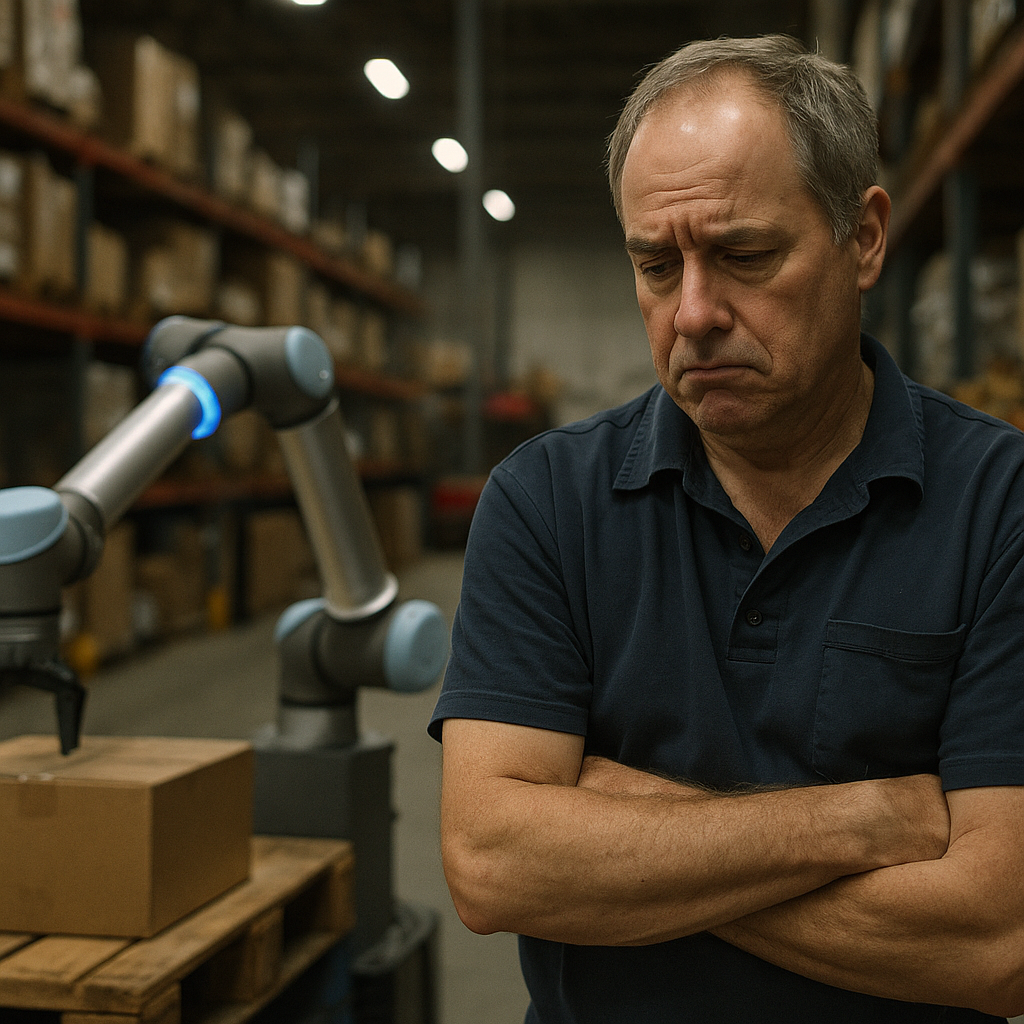
Artificial intelligence (AI) technologies have made remarkable strides over the past decade, transforming industries and redefining the future of work. From automated customer service chatbots to robotic assembly lines, AI is increasingly capable of performing tasks that were once the exclusive domain of human labor. While these advancements promise greater efficiency and economic growth, they also raise pressing questions about the fate of menial jobs—those routine, low-skilled roles that have traditionally served as entry points into the workforce.
Is AI killing too many menial jobs? This question resonates deeply within economic, social, and political circles. Menial jobs, ranging from warehouse picking and data entry to telemarketing and basic cleaning services, have long been the backbone of employment for millions worldwide, especially for young, less-educated, or economically disadvantaged workers. The widespread automation of these roles threatens not only individual livelihoods but also the broader social fabric by potentially exacerbating inequality and unemployment.
The Scope and Scale of Automation
Advancements in AI, particularly in machine learning, computer vision, and natural language processing, have expanded the range of tasks machines can perform. Automated systems can now reliably perform repetitive manual labor, analyze large data sets, and interact with customers through natural conversation. This has led to the replacement or significant reduction of human roles in diverse sectors such as manufacturing, retail, transportation, and administrative services.
Research from institutions like the McKinsey Global Institute estimates that up to 30% of global work activities could be automated by 2030. Menial jobs, characterized by routine and predictable tasks, are especially vulnerable. For example, in logistics, autonomous vehicles and robots are increasingly used for sorting and delivery. In retail, self-checkout systems and AI-powered inventory management reduce the need for cashiers and stock clerks.
Economic Efficiency vs. Social Impact
From an economic perspective, automation offers undeniable benefits. Businesses can reduce labor costs, improve accuracy, and maintain operations around the clock. Consumers benefit from lower prices and faster services. However, these gains come at a cost: the displacement of workers who may struggle to find new employment without the necessary skills or education.
Menial jobs often serve as stepping stones, providing young workers and marginalized populations with income, experience, and skills development. Their erosion could lead to a rise in long-term unemployment or underemployment, deepening social inequalities. The challenge lies in balancing technological progress with inclusive economic policies that support workforce transitions.
Potential Solutions and Policy Responses
To address the disruption caused by AI-driven automation, policymakers, educators, and businesses must collaborate on comprehensive strategies. Key approaches include:
- Investment in Education and Reskilling: Governments and private sectors should expand access to vocational training and lifelong learning programs, focusing on skills complementary to AI, such as critical thinking, creativity, and emotional intelligence.
- Social Safety Nets: Strengthening unemployment benefits, healthcare access, and income support can provide a buffer for displaced workers during transitional periods.
- Job Creation in Emerging Sectors: Encouraging growth in industries less susceptible to automation—such as healthcare, green energy, and human-centered services—can create new employment opportunities.
- Regulation and Ethical Standards: Instituting guidelines on AI deployment can ensure responsible adoption that considers societal impacts.
The Role of Society and Businesses
Beyond policy, societal attitudes toward work and AI must evolve. Businesses have a responsibility to implement AI thoughtfully, considering not just profits but also workers’ welfare. This could involve redesigning jobs to incorporate human-AI collaboration rather than outright replacement.
Moreover, public discourse should remain grounded in facts, avoiding sensationalism that either overstates the threat or blindly celebrates AI's potential. This balanced perspective will facilitate informed decision-making and foster resilience in the workforce.
Conclusion
Artificial intelligence is undeniably transforming the labor market, with menial jobs among the most affected. While AI is displacing many routine tasks, it also presents opportunities for new kinds of employment and productivity gains. The critical question is not whether AI is killing menial jobs, but how society manages this transition to ensure that technological progress benefits all, not just a select few.
Embracing AI with foresight, compassion, and responsibility will be essential to navigating this new era of work. Only then can we mitigate the risks posed by automation and harness its full potential for inclusive economic growth and social well-being.