
Bluetooth 6.0: The Future of Wireless Headphones Is Here
Bluetooth 6.0, unveiled in September 2024, introduces key advancements in latency, range, battery efficiency, and security, setting a new standard for wireless headphones and devices. Leading manufacturers like Apple and Google are already incorporating this upgrade, promising smoother and more reliable wireless audio experiences.
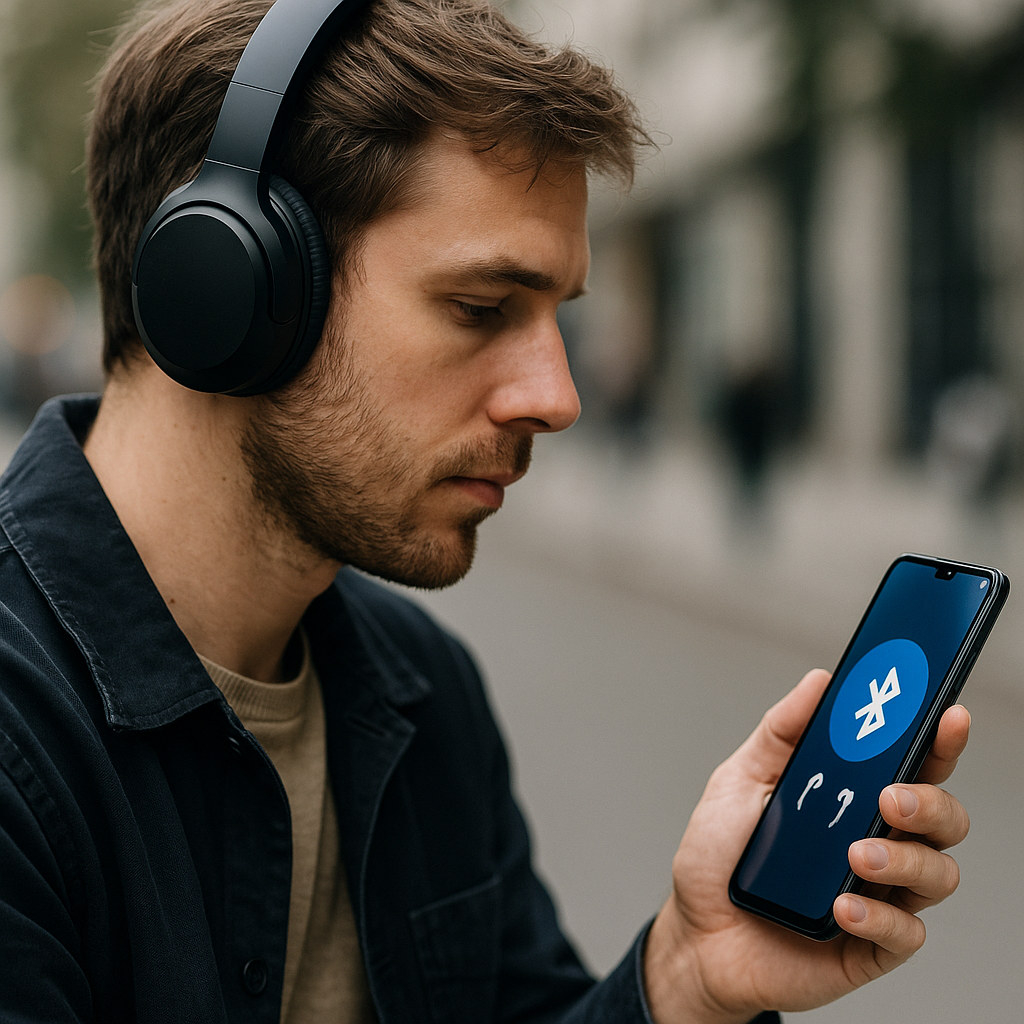
In September 2024, the Bluetooth Special Interest Group (SIG) announced Bluetooth version 6.0, marking a significant upgrade to one of the most widely used wireless technologies worldwide. This new iteration brings a host of improvements designed to enhance reliability, security, efficiency, and audio quality in wireless devices, particularly headphones and earbuds.
Bluetooth technology has been an integral part of wireless connectivity for years, facilitating everything from hands-free calling to seamless audio streaming. Bluetooth 6.0 represents a leap forward that could redefine user expectations for wireless audio performance.
What’s New in Bluetooth 6.0?
At the heart of Bluetooth 6.0’s enhancements is the introduction of the Isochronous Adaptive Layer (ISOAL), a new protocol layer that optimizes how audio data is transmitted and processed. This innovation aims to reduce latency — the delay between when an audio signal is sent and when it is heard — which has long been a challenge for wireless audio devices.
Current Bluetooth versions, including 5.0 and newer, typically exhibit latency ranging from 50 to 100 milliseconds. This delay can be particularly noticeable and frustrating in applications like gaming or watching videos, where audio may lag behind visual cues. Bluetooth 6.0’s ISOAL allows audio data packets to be broken into smaller chunks, speeding up processing and transmission.
Under ideal conditions—such as close proximity, minimal interference, and no physical obstacles—Bluetooth 6.0 could potentially reduce latency to under 10 milliseconds. For most real-world scenarios, users can expect latency around 20 milliseconds, which still marks a substantial improvement over previous versions.
Expanded Range and Enhanced Battery Life
Another promising feature of Bluetooth 6.0 is its potential for increased range between connected devices. While traditional Bluetooth connections generally perform best within a 10-meter radius, Bluetooth 6.0 aims to extend this distance without sacrificing signal stability or audio quality. This could allow users more freedom to move around without losing connection to their headphones or earbuds.
Bluetooth 6.0 also focuses on energy efficiency, which may translate to longer battery life for wireless devices. The improved data transmission protocols and optimized power consumption could enable headphones to operate for extended periods between charges, a welcome benefit for users who rely heavily on wireless audio.
Improved Security and Reliability
Security remains a key concern for wireless communications, and Bluetooth 6.0 addresses this with enhanced encryption and authentication mechanisms. These improvements aim to reduce vulnerabilities and protect users’ data from potential eavesdropping or unauthorized access.
Reliability has also been bolstered through better handling of interference and signal dropouts. Bluetooth 6.0’s adaptive technologies can dynamically adjust to changing environments, ensuring a smoother and more consistent audio experience even in crowded or signal-dense areas.
Devices Already Featuring Bluetooth 6.0
Despite being announced only recently, Bluetooth 6.0 is already present in several high-profile devices. Leading smartphone manufacturers such as Apple and Google have started integrating the new standard into their latest models, signaling a swift adoption in the consumer market.
Likewise, headphones and earbuds from various brands are beginning to support Bluetooth 6.0, providing users with an early taste of the improved audio performance and connectivity. As adoption expands, more devices across different categories are expected to follow suit.
What’s Still to Come?
While Bluetooth 6.0 introduces exciting advances, some features and potential benefits will likely take time to become widespread. For example, realizing ultra-low latency under typical usage conditions will depend on both hardware capabilities and software optimization.
Further enhancements to range and battery life will also depend on manufacturer implementations and regulatory approvals in various regions. As the ecosystem matures, users can expect more seamless integration and consistent performance across devices.
Conclusion
Bluetooth 6.0 represents a major milestone in wireless technology, promising to enhance the way we experience wireless audio. With reduced latency, longer range, better battery efficiency, and improved security, it sets a new benchmark for wireless headphones and connected devices.
As more products adopt Bluetooth 6.0, consumers can look forward to more reliable, efficient, and enjoyable wireless experiences. The future of wireless headphones is indeed bright, and Bluetooth 6.0 is at the forefront of this transformation.