
Ohio Politics in 2025: Navigating Change and Continuity
As Ohio steps into 2025, its political landscape reflects a blend of enduring priorities and emerging challenges. This article explores the key dynamics shaping Ohio politics this year, including legislative agendas, electoral shifts, and policy debates.
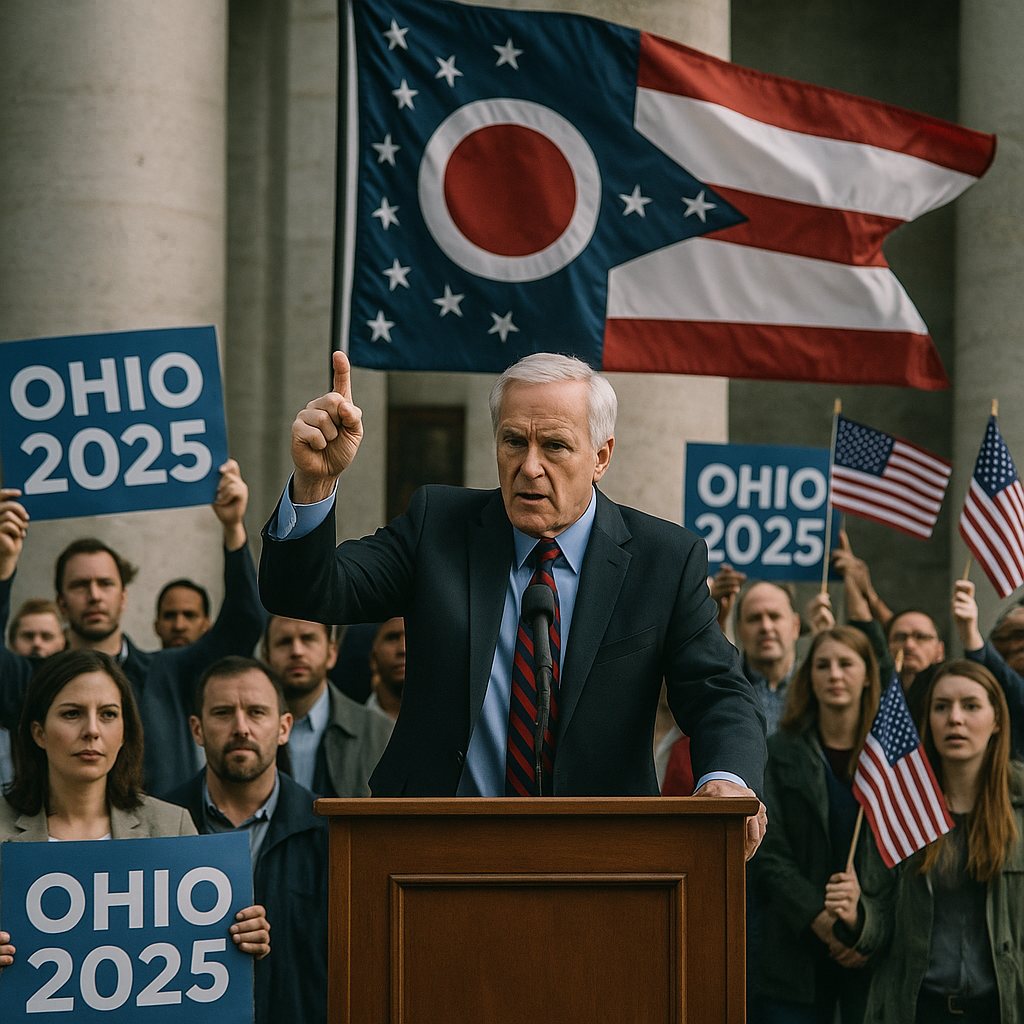
As the Buckeye State moves through 2025, its political environment continues to evolve amidst a backdrop of both longstanding issues and new developments. Ohio, often regarded as a bellwether in national politics, demonstrates a mixture of continuity and change that will influence not only state governance but also broader political trends in the Midwest and the nation.
Legislative Priorities and Policy Focus
In 2025, Ohio’s state legislature is concentrating on several critical areas, reflecting the concerns of its diverse population. Economic development remains a top priority, with lawmakers advocating for policies aimed at job creation, support for small businesses, and investment in infrastructure. The emphasis on revitalizing manufacturing hubs and expanding technology sectors underscores the state’s commitment to adapting to a rapidly changing economic landscape.
Education policy continues to be a significant focus, with debates centering on funding formulas, curriculum standards, and the role of charter schools. The state government is also addressing workforce development, seeking to align educational outcomes with labor market demands, particularly in trades and emerging industries.
Health care access and affordability remain pressing concerns. Ohio legislators are exploring measures to expand Medicaid coverage and address disparities in rural health services. Mental health resources and addiction treatment programs are also part of the ongoing policy discussions, reflecting the state’s response to public health challenges.
Electoral Landscape and Political Shifts
The political composition of Ohio in 2025 is shaped by recent elections and demographic changes. The state legislature maintains a Republican majority, though Democrats have made inroads in urban centers and some suburban districts. This dynamic has resulted in a more nuanced legislative environment, requiring bipartisan negotiation on key issues.
Ohio’s role in national politics continues to attract attention, especially as it prepares for the 2026 midterm elections. Both major parties are investing resources in the state, recognizing its importance as a swing region. Voter engagement efforts focus on increasing turnout and addressing concerns such as election security and voting access.
Local elections in 2025 also highlight shifting political attitudes, with a growing emphasis on community-level governance and responsiveness. Issues such as zoning, public safety, and environmental sustainability are increasingly prominent in municipal campaigns.
Policy Debates and Public Discourse
Several contentious policy debates define Ohio politics in 2025. Discussions around energy policy, particularly the balance between traditional fossil fuels and renewable sources, have sparked robust debate. The state’s energy future remains a key issue, with implications for economic growth and environmental stewardship.
Criminal justice reform continues to be a salient topic, as lawmakers and advocacy groups work to address sentencing disparities, prison overcrowding, and rehabilitation programs. The debate reflects a broader national conversation around equity and public safety.
Additionally, discussions on social issues such as reproductive rights, gun control, and voting legislation remain active in Ohio’s political discourse. These debates are often influenced by national trends but are tailored to the state’s unique demographic and cultural context.
Looking Ahead
Ohio’s political landscape in 2025 is characterized by a balancing act between tradition and transformation. The state’s leaders face the challenge of responding to immediate concerns while positioning Ohio for long-term prosperity. As Ohio continues to navigate these complexities, its political trajectory will remain a focal point for observers interested in the evolving dynamics of American politics.
With ongoing legislative initiatives, shifting electoral patterns, and vibrant public debates, Ohio exemplifies the dynamic nature of state politics. The coming months will be critical in determining how effectively policymakers address the needs of Ohioans and adapt to the challenges ahead.