Sugar Producers Push for Trade Policy Overhaul at International Symposium
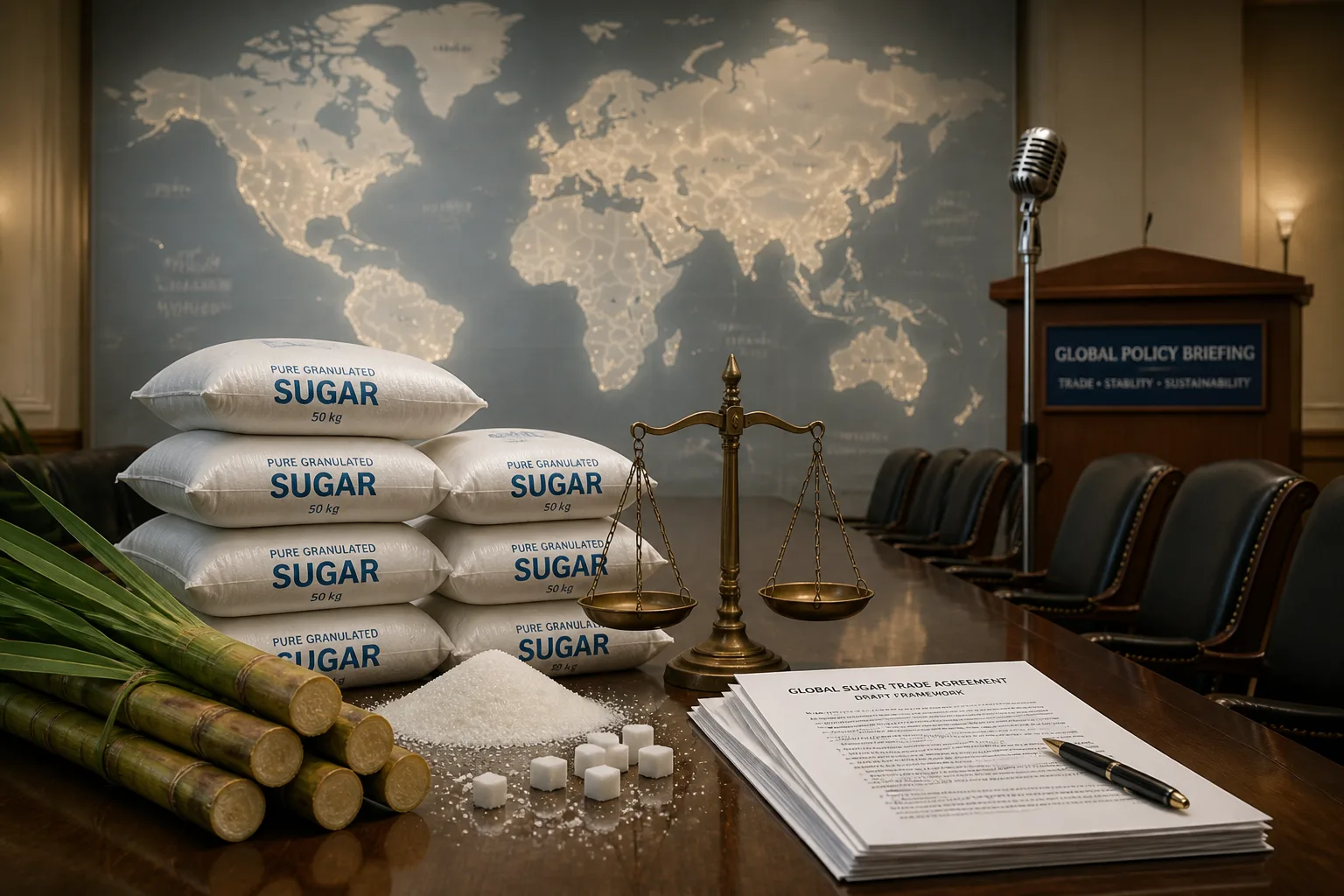
At the International Sugar Symposium, a crowd of growers, industry leaders and lawmakers turned the spotlight on a decade‑old trade regime that’s out of sync with today’s market. U.S. sugar producers are demanding that Washington overhaul the rules set in 2000, arguing that the current framework is strangling the domestic sector and paving the way for a Section 301 probe into foreign subsidies.
Luther Markwart, Executive Vice President of the American Sugarbeet Growers Association, weighed in on the hardest times he’s seen in his 47‑year career. ‘When you look across the scale of all the various commodities, including sugar, these are some of the most difficult times I think that they’ve seen,’ he said.
Markwart pointed out that the U.S. sugar trade policy has sat idle since 2000, while global prices have plummeted to levels that render the old rules ineffective. ‘Sugar is an essential ingredient in the nation’s food supply, and we have to have an adequate supply of domestically American‑made sugar,’ he added. ‘We’re supporting a hundred and fifty‑one thousand jobs across the country.’
The American Sugar Alliance (ASA), which represents more than 11,000 family farmers and the 151,000 jobs tied to sugar processing, has lodged a formal Section 301 complaint with the U.S. Trade Representative (USTR). The complaint accuses foreign governments of subsidizing sugar imports, flooding the U.S. market with low‑priced sugar that undercuts domestic producers.
In a recent white paper, the ASA highlighted that the U.S. sugar program—comprising tariff‑rate quotas, marketing allotments and price‑support loans—keeps domestic prices higher than the global average. It notes that U.S. sugar costs are almost double the world rate, a gap the current trade policy fails to close.
The USTR has opened a window for comments on the complaint and is weighing whether to launch an investigation. Under Section 301 of the Trade Act of 1974, the president can act against foreign trade practices that violate international agreements or are unfair, and the USTR can initiate a self‑initiated probe or respond to an industry petition.
Members of Congress have joined the ASA in urging the USTR to act. More than 100 representatives have called for a Section 301 probe, arguing that subsidized imports threaten U.S. food security and the livelihoods of American farmers.
The symposium also served as a forum for lawmakers to meet face‑to‑face with growers and industry officials. Discussions centered on the impact of low world prices, the lack of recent policy updates, and the potential benefits of a trade investigation.
The U.S. sugar industry sits at the heart of a larger debate over trade policy. Historically, the U.S. has relied on tariff‑rate quotas and marketing allotments to shield domestic producers, but critics argue that the system is outdated and favors subsidized foreign competitors.
While the ASA’s complaint has yet to trigger an official investigation, the gathering underscored the urgency felt by growers. If the USTR opens a Section 301 case, it could set the stage for negotiations with foreign governments and the introduction of new tariffs or other trade remedies.
The discussions at the symposium will likely shape the USTR’s next steps. For now, the sugar industry remains hopeful that the federal government will recognize the need for updated trade policy and take action to protect American producers.