
Speaker Johnson Secures Narrow Healthcare Bill Victory Amid GOP Obamacare Divide
House Republicans passed a healthcare bill aimed at reducing costs by approximately 11%, marking a win for Speaker Mike Johnson amid intra-party disputes over Obamacare subsidies set to expire at year-end.
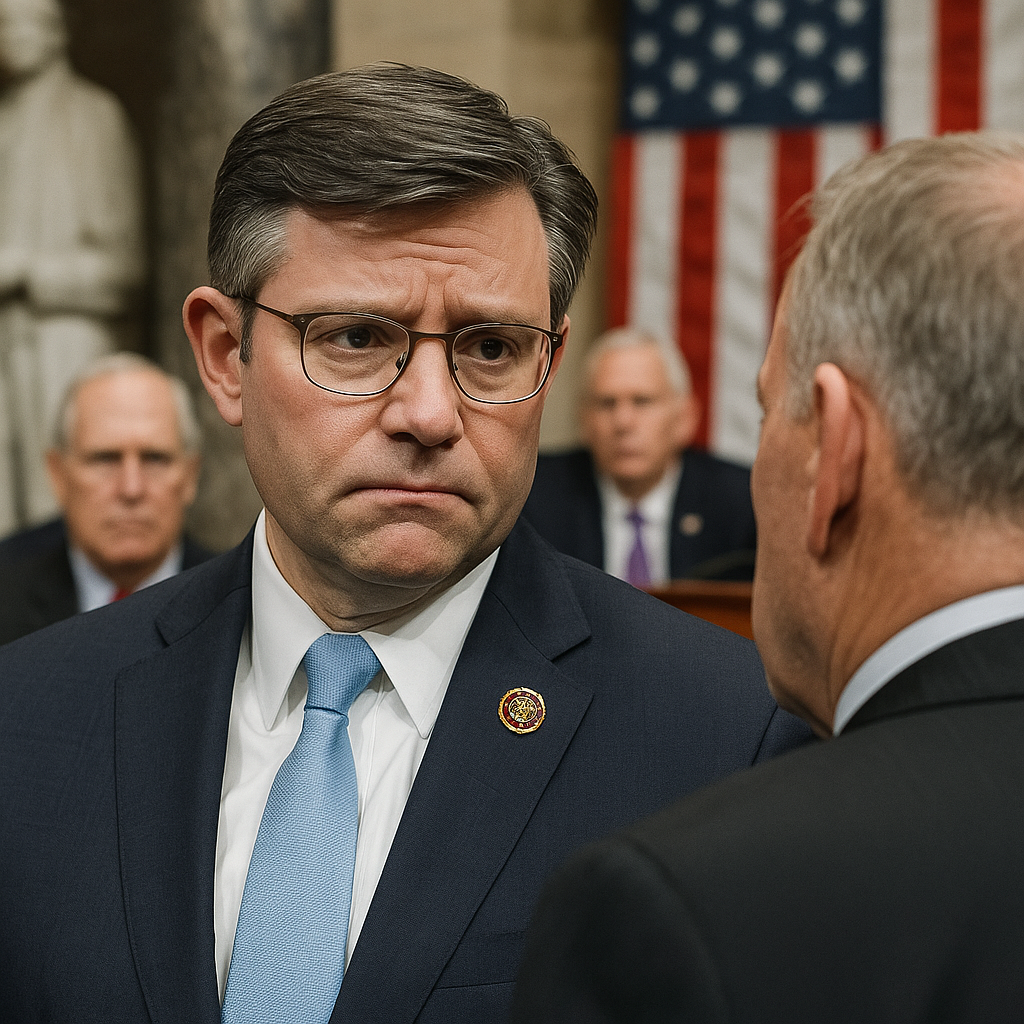
In a closely watched vote, House Republicans narrowly passed a healthcare bill designed to lower insurance costs for millions of Americans by roughly 11%. The legislation represents a significant, if tentative, victory for Speaker Mike Johnson (R-La.), who has been navigating sharp divisions within the GOP over the future of healthcare policy.
The bill’s passage comes as insurance premiums nationwide are poised to increase sharply in the coming weeks, intensifying pressure on lawmakers to deliver cost relief. However, a key issue remains unresolved: the fate of enhanced Obamacare subsidies that were introduced during the COVID-19 pandemic and are set to expire at the end of this year.
Hours before the vote, a group of moderate Republicans joined forces with Democrats to file a discharge petition aimed at forcing a chamberwide vote on extending these subsidies for three more years. A discharge petition is a procedural tool that allows lawmakers to bypass House leadership and bring specific legislation to the floor, provided it secures majority support. This petition paves the way for a vote on the extension in the new year.
Among the four Republicans who supported the Democrat-led petition, all emphasized that backing the extension was not their preferred approach. However, they cited limited options after Speaker Johnson made it clear there would be no separate vote on the subsidies before year-end. These lawmakers expressed concern about the potential spike in premiums if the subsidies expire without a legislative solution.
Despite these efforts by moderates, the majority of House Republicans oppose extending the subsidies without significant reforms. Conservative lawmakers argue that the current subsidy program merely injects more funds into a healthcare system they view as fundamentally broken, without addressing underlying cost drivers. They contend that continuing the subsidies as-is incentivizes dependency and fails to promote long-term sustainability.
Speaker Johnson’s healthcare bill attempts to address some cost concerns through targeted reforms, but it stops short of extending the enhanced subsidies. The measure aims to reduce premiums by about 11% for a broad segment of Americans, though analysts caution that without subsidy extensions, many low- and middle-income households could still face affordability challenges.
The healthcare debate highlights ongoing tensions within the House GOP between moderates seeking pragmatic solutions to immediate affordability issues and conservatives focused on systemic overhaul. With the expiration deadline for subsidies approaching rapidly, lawmakers face mounting pressure to find a compromise that can bridge these divides.
Looking ahead, the discharge petition sets the stage for a high-stakes vote early next year on the subsidy extension, likely shaping the trajectory of healthcare policy and insurance costs for millions of Americans. Meanwhile, Speaker Johnson’s narrow victory underscores the challenges of governing a deeply divided party amid urgent public policy demands.