U.S. Blocks 43 Chinese Firms Over Alleged Forced Labor, Expanding Uyghur Forced Labor Prevention Act List
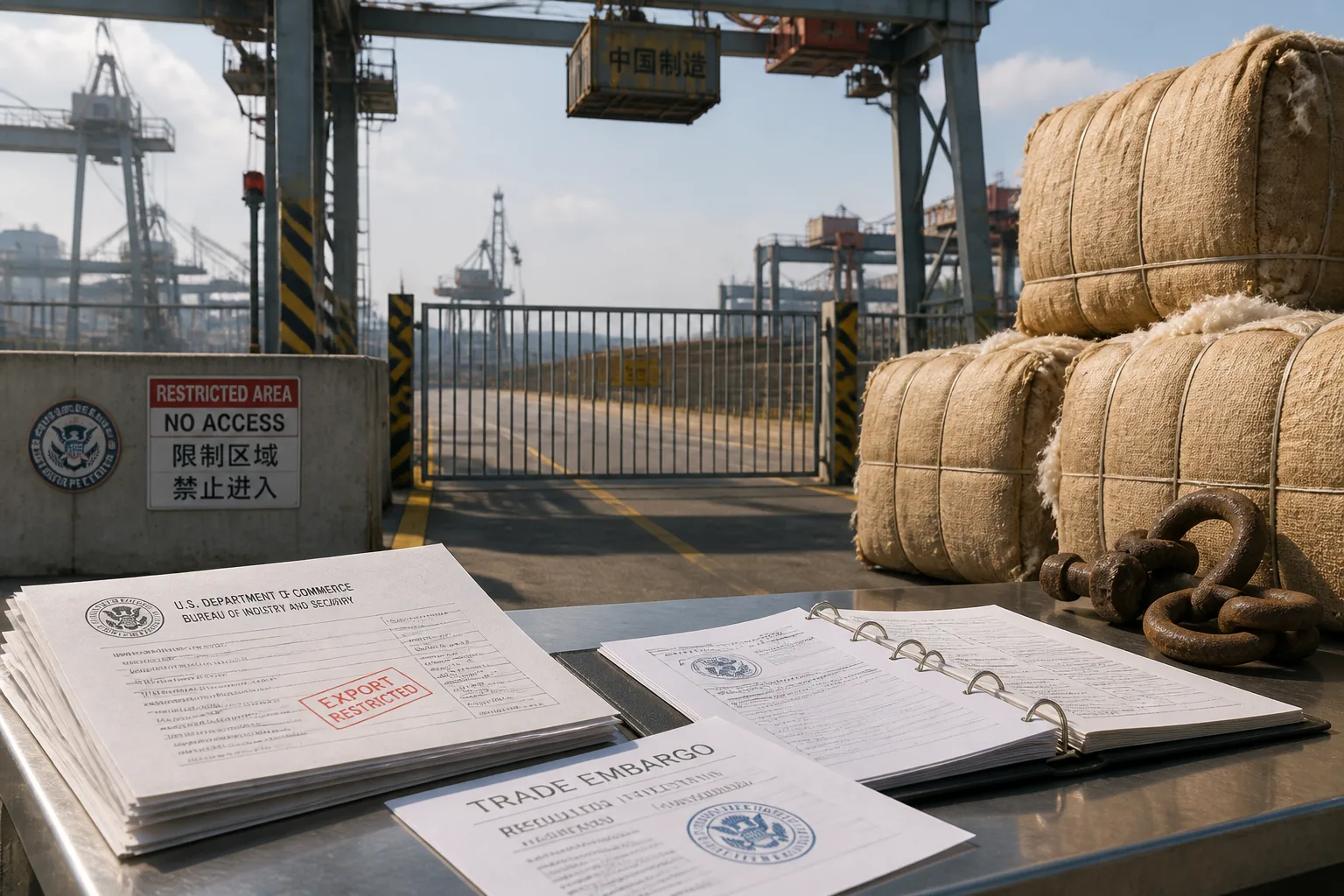
On Friday, July 31, 2026, the U.S. Department of Homeland Security (DHS) announced a sweeping move that could reshape the global supply chain: 43 Chinese companies were barred from shipping any of their products into the United States.
The decision, described by DHS as the largest single‑day enforcement action against Chinese forced‑labor goods in history, came after a rigorous review by the Forced Labor Enforcement Task Force—a DHS‑led body that scours supply chains for unethical labor practices.
"These firms are accused of employing forced labor in the Xinjiang region," said Secretary of Homeland Security Markwayne Mullin. The list spans a range of industries—from aluminum and copper to apparel, cotton and even tomato production. Two of the named entities are Kuitun Yadasi Textile Co. and Xinjiang Nuziline Bio‑Pharmaceutical Co.
"The Trump Administration remains steadfast in its commitment to remove forced labor from U.S. supply chains and to hold foreign companies accountable for their exploitation," declared DHS Under Secretary for Strategy, Policy & Plans Rob Law, who chairs the Task Force. Law added that the blocking is a matter of national security, noting that keeping illicit goods out of the market helps hold companies accountable for illegal labor practices.
The action is anchored in the Uyghur Forced Labor Prevention Act (UFLPA), a law enacted in December 2021 that requires U.S. importers to certify that goods from Xinjiang are not produced using forced labor. DHS maintains the UFLPA Entity List, which now contains 187 entities. Adding a company to the list prohibits its goods from entering the United States.
ABC News reached out to the Chinese embassy for comment on the move. No response has been received as of the time of this report.
The 43 companies were blocked on the same day, a record for the number of entities added to the UFLPA list in a single enforcement action. The move follows a broader trend of U.S. trade policy tightening against China over labor concerns. The UFLPA has been a key tool for the U.S. to address allegations that Uyghur Muslims and other minorities are forced to work in Xinjiang.
DHS emphasized that the decision was based on evidence gathered by the Task Force, which reviews supply chain data and labor reports. While the statement did not provide specific evidence for each company, it cited the overall pattern of forced labor allegations in the region.
The U.S. has faced criticism from China for its forced‑labor sanctions. Beijing has repeatedly denied the allegations, asserting that there is no forced labor in Xinjiang. The U.S. government, however, maintains that the evidence supports the inclusion of these companies on the list.
The blocking of these firms means that any goods produced by them cannot be imported into the United States. Importers who previously sourced products from these companies will need to find alternative suppliers that can certify compliance with UFLPA requirements.
The action underscores the U.S. commitment to enforcing labor standards in global supply chains and reflects the broader policy shift toward stricter scrutiny of Chinese manufacturing practices.
At this time, DHS has not announced any additional enforcement actions beyond the 43 companies. The agency will continue to monitor supply chains for violations of the UFLPA and other labor‑related regulations.
The U.S. government’s enforcement of the UFLPA is expected to influence trade negotiations and corporate sourcing decisions, as companies seek to avoid the risk of having their products barred from the U.S. market.
In summary, the DHS has expanded the UFLPA Entity List by adding 43 Chinese companies accused of using forced labor, marking the largest single‑day enforcement action in the law’s history. The move is part of ongoing efforts to protect U.S. workers and consumers from goods produced under unethical labor conditions.