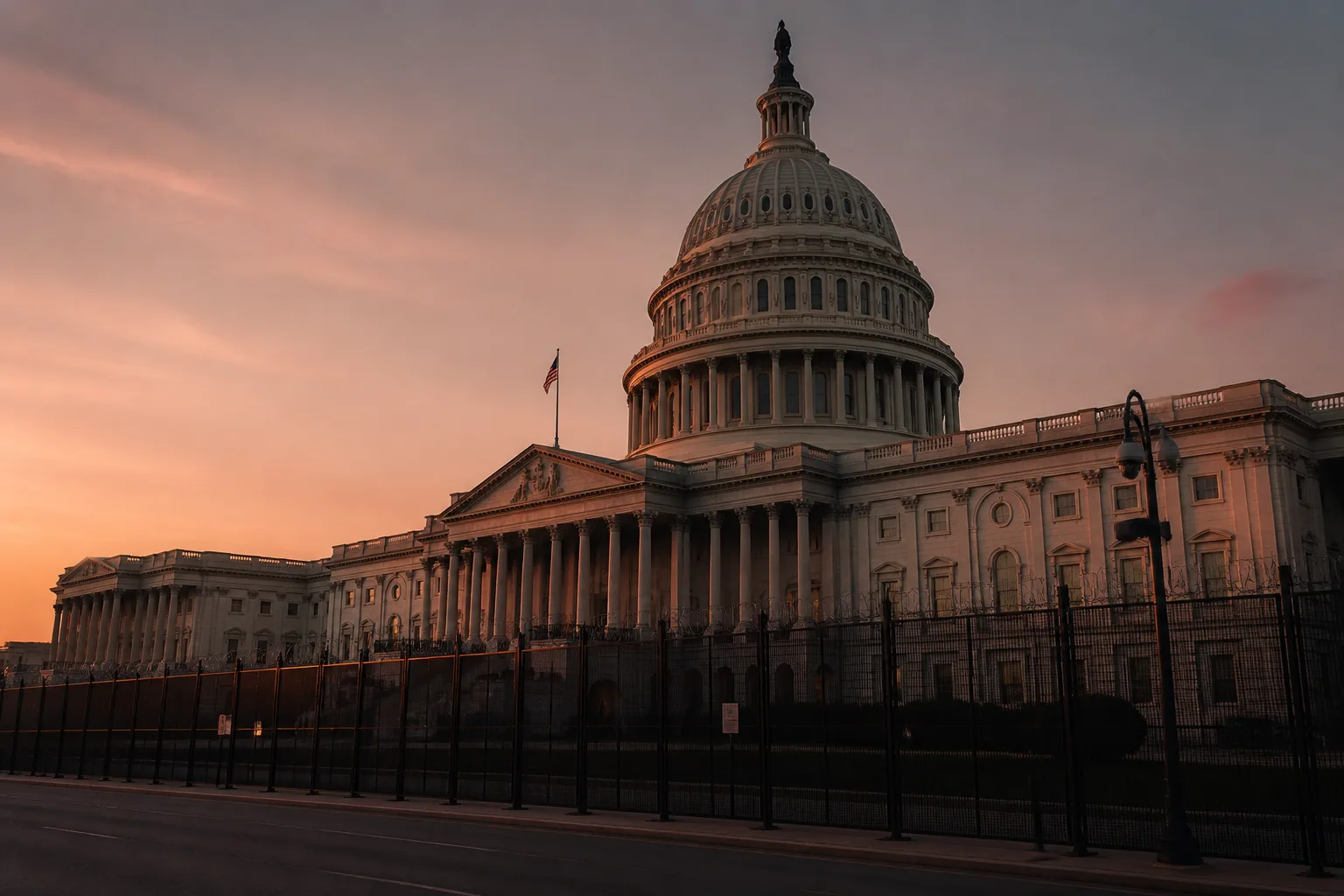
Albany Woman Charged with Supporting ISIS in Planned Attack on New York State Capitol
When the quiet streets of Albany turned into a chessboard for a domestic terror plot, the FBI had a new adversary: 35‑year‑old Jessica Bowie, a resident who had gone from neighbor to would‑be terrorist.
Bowie was arrested Wednesday by the FBI’s Albany Joint Terrorism Task Force and charged in the U.S. District Court for the Northern District of New York with providing material support to the Islamic State (ISIS). The federal complaint, filed last week, lays out a chilling sequence of online radicalization, covert conversations with a confidential FBI source, and attempts to acquire bomb‑making supplies.
The story starts five years ago, when Bowie converted to Islam and began feeding on extremist content across the internet. She created several social‑media accounts under an honorific Islamic name, only to have them repeatedly suspended for violating platform rules. Between May and July, posts from these accounts openly praised terrorism and included audio clips in which she pledged allegiance to ISIS in both English and Arabic.
From July 16 to August 17, Bowie slipped into a secret channel with a confidential source posing as an ISIS facilitator. In those messages she asked for help planning an attack on the New York State Capitol—less than two miles from her home. She didn’t mince words: she wanted to “harm the enemies of God” and later wrote, “I want to destroy as much of the building as possible and kill the senators while they are meeting.” Surveillance teams confirmed that she visited the Capitol five times between July 21 and August 9, photographing the building and its surroundings.
In early August, a recorded meeting with two additional confidential sources revealed even more ambition. Bowie said she’d strike when the most senators were present, escape afterward, and return for future plots—including a potential attack on the White House and a “New Year’s Eve in Times Square” event. When asked whether it would bother her if other people, including Muslims, died, she replied that it would, especially if Muslims, children, or pregnant women were harmed.
On August 5, the FBI’s complaint alleges Bowie purchased bomb‑making materials at Home Depot with $200 provided by a confidential source. She later handed the items to the sources during subsequent meetings. The complaint also notes that Bowie asked a source about obtaining a handgun so she could shoot back if law‑enforcement officers approached her during the operation. She met with the sources to buy a gun and ammunition on that same Wednesday.
FBI Special Agent in Charge of the Albany field office, Craig Tremaroli, told reporters that the investigation began more than a month ago. He emphasized that the arrest was part of a broader effort to disrupt domestic terrorist plots. First Assistant U.S. Attorney John A. Sarcone said the charge carries a statutory maximum of 20 years in prison, a fine of up to $250,000, and a lifetime term of supervised release.
New York Governor Kathy Hochul expressed gratitude to the FBI and state police, noting that the state had increased security at the Capitol and other government facilities amid a rise in political violence and threats against public officials.
The case illustrates how the U.S. legal system treats individuals who provide material support to designated foreign terrorist organizations. Under federal law, such support can include financial assistance, training, or the provision of weapons and explosives. If the complaint’s allegations are proven, they would meet the statutory definition of material support.
Bowie is expected to appear in court Thursday afternoon to face the single charge of attempting to provide material support to a designated foreign terrorist organization. The outcome will determine whether the federal government can successfully prosecute a domestic individual who has been radicalized online and sought to carry out a violent attack on a state government building.
Her arrest underscores the ongoing threat of domestic terrorism and the importance of intelligence‑sharing among federal, state, and local agencies. It also highlights the role of the Joint Terrorism Task Force in coordinating investigations that cross jurisdictional boundaries.
The investigation remains active, and authorities have not indicated whether additional charges or defendants will be pursued. The case will be closely watched by law‑enforcement agencies and policymakers concerned with preventing future terrorist attacks on U.S. government facilities.