Little Haiti Grapples With Loss of Temporary Protected Status as Haitian Immigrants Face Uncertain Futures
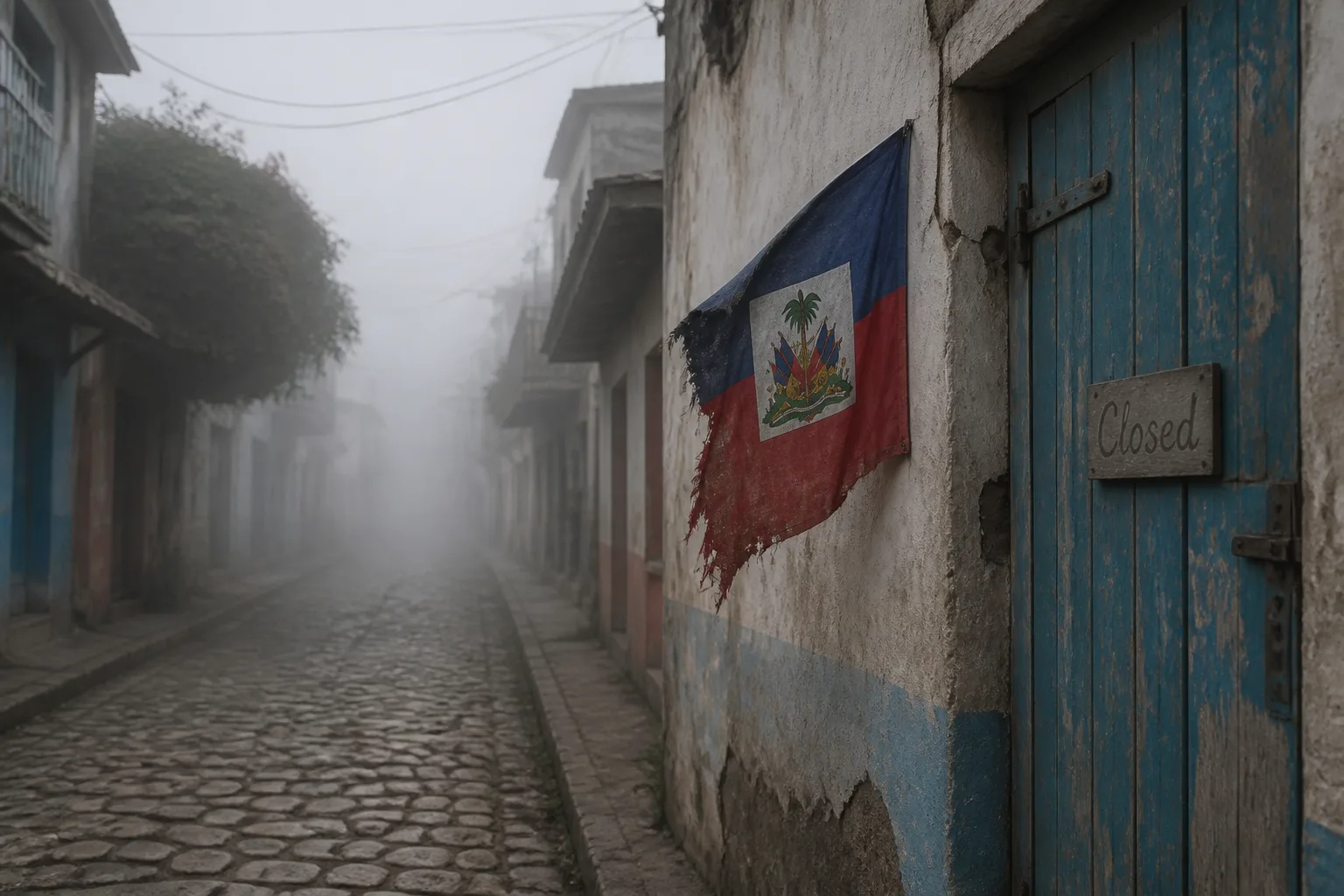
When the Trump administration pulled the plug on Temporary Protected Status on August 5, 2026, the streets of Little Haiti went silent. The sudden disappearance of TPS left an estimated 330,000 Haitians in the United States exposed to the threat of deportation.
The neighborhood’s cultural heart—a gingerbread‑style building painted in Caribbean yellow and teal—now stands empty. Jean‑Marie Denis, owner of the nearby Libreri Mapou bookstore, watches the storefront from her window and says residents are staying indoors to avoid drawing attention. "They just don’t want to expose themselves," Denis tells us. "They don’t go out."
The economic ripple is swift and deep. Chef Wilkinson "Ken" Sejour, who has run seven Chef Creole restaurants since 1974, lost 14 staff members who no longer have work authorization. "The community’s financial strain is unfair," Sejour says, adding that he regrets voting for the Trump administration. Across the block, two home‑care agencies shuttered after losing 85 of 86 workers, and the Jewish Community Services of South Florida let go 18 Haitian employees who had built long‑term relationships with care recipients.
In the broader Miami‑metro area, roughly 52,000 Haitian TPS holders are employed in agriculture, nursing, landscaping, housekeeping and airport security. About 60 airport workers at Fort Lauderdale airport lost jobs, and 18 Haitian employees at a local home‑care agency were let go.
The Department of Homeland Security has declined to confirm whether Immigration and Customs Enforcement will target former TPS holders. Instead, it offered a $2,600 payment and a paid flight home for those who leave voluntarily, describing the program as a "de‑facto amnesty program" even though Congress never intended it to be permanent.
Adding to the anxiety, the U.S. State Department issued a "Do not travel" advisory for Haiti, citing crime, terrorism, kidnapping and unrest. The warning makes many residents fearful of deportation to a country that remains unstable.
Community leaders have voiced concern. Santra Denis of the Haitian American Professionals Coalition paints a bleak picture: "Our businesses are empty. Churches are empty. The streets are empty. People have completely gone underground." Father Reginald Jean‑Mary, who has led Notre Dame d’Haiti Catholic Church for 25 years, calls the potential deportations "unjust and immoral" and urges parishioners to hold onto hope. "Do not let this situation steal your hope, your joy, your peace, and your dignity," he says.
The impact stretches beyond economics. Families are scrambling to secure passports for U.S.-born children, name trusted relatives as co‑signers on bank accounts, and set up power of attorney. The mental toll is palpable: children are traumatized by their parents’ worries, and women report a rise in domestic violence.
Some Haitians are looking abroad—Canada, Chile, Brazil and other countries—while others are applying for U.S. asylum, though approval rates are below 5%. A few remain, hoping for a legislative extension of TPS.
Cultural institutions feel the squeeze too. The Little Haiti cultural complex, a Haitian Christian church, the restaurant Piman Bouk, and murals that read "Help! Haiti is being strangled" now see reduced foot traffic. The elementary school named after Toussaint Louverture has fewer students.
Despite these hardships, resilience threads through the community. Miami‑born comedian Chris Renois, whose parents once lived in Little Haiti, reminds us that the neighborhood is close‑knit. "The Haitian people will make it through," he says, and he believes the area will survive the current crisis.
The end of TPS has turned Little Haiti into a place of quiet fear and economic strain, but the community’s history of resilience offers a glimmer of hope as residents navigate an uncertain future.