Israels Nuclear Ambiguity and the 2026 Iran War: Expert Warns of Growing Military Strain
The former U.S. Navy strategic adviser and MIT physicist Theodore Postol has warned that Israel, not Iran, is the main nuclear risk in the Middle East. In a recent interview with RT’s Going Underground host Afshin Rattansi, Postol said, "Do not think Iran is the big nuclear threat, is the big nuclear instability in the Middle East, Israel is." He added that Israeli leadership has pushed the country into a situation where even its own military commanders are saying the forces are "on the ropes" and have reached the limits of what they can do.
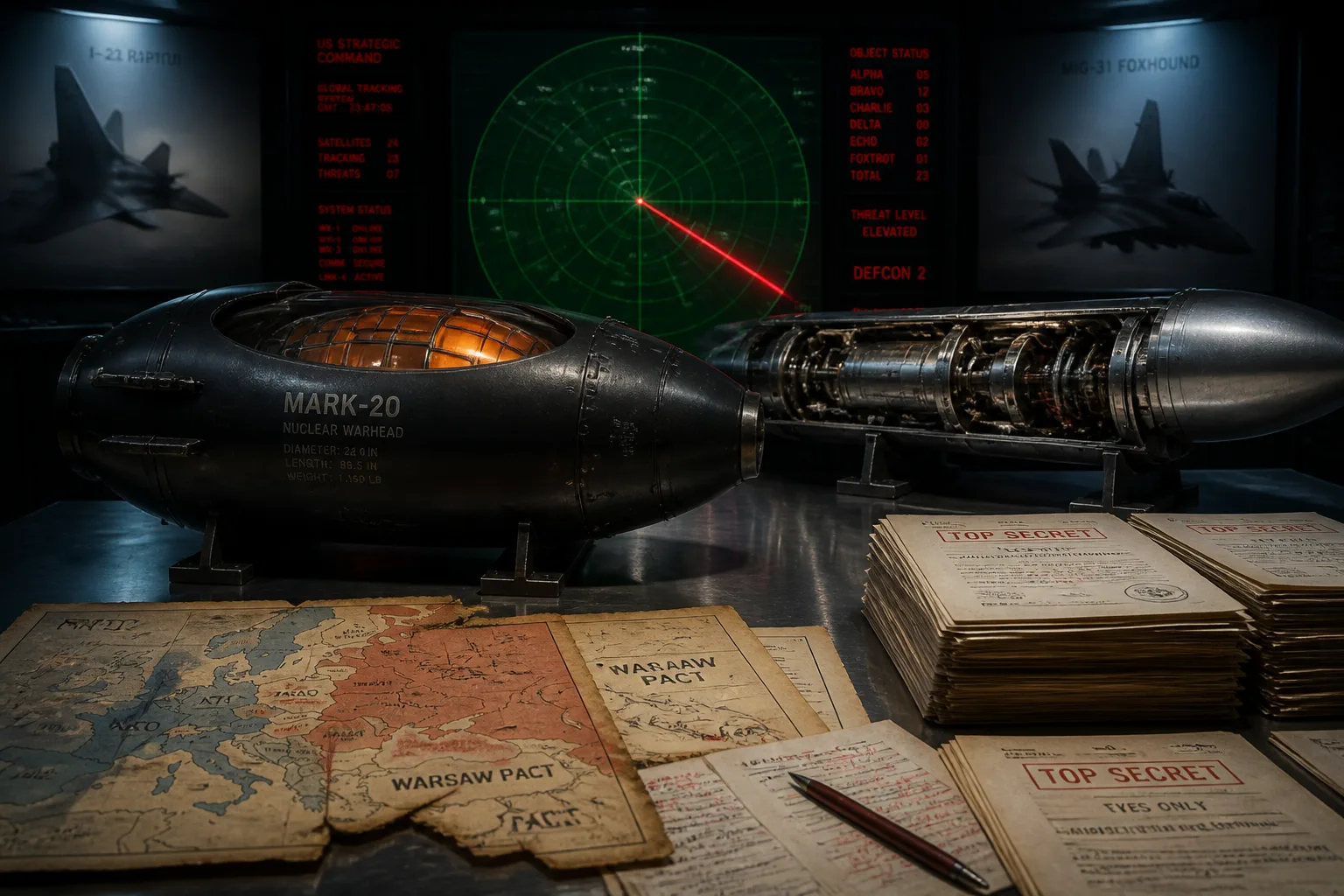
Israel is widely believed to possess an undeclared nuclear arsenal, but the government has consistently refused to confirm or deny the allegations. Estimates of Israel’s stockpile range from 90 to 400 warheads, and the country is thought to maintain a nuclear triad of delivery systems, including medium‑ to intercontinental‑range ballistic missiles, submarine‑launched cruise missiles, and fighter aircraft. Israel’s policy of deliberate ambiguity—neither formally admitting nor denying its nuclear capability—has been a cornerstone of its deterrence strategy.
The issue of Iran’s nuclear program has long served as a justification for Israeli military action. In February 2026, Israel and the United States launched coordinated air strikes against Iranian nuclear facilities, air defense systems, and missile infrastructure in what has been termed the 2026 Iran war. The campaign began on 28 February 2026 and has resulted in 35 Israeli fatalities, including 24 civilians and 11 military personnel, according to the latest casualty tracker.
Postol said that Israeli military leaders have told Prime Minister Benjamin Netanyahu that they "cannot do any more" and that the country is suffering heavy troop losses. He described the situation as a crisis in which the military is stretched beyond its capacity. "Israel is suffering heavy troop losses," Postol noted, highlighting the strain on the Israel Defense Forces.
Netanyahu, who has served as Israel’s prime minister since 2022 and previously from 2009 to 2021, has faced criticism for his handling of the war and for his broader security policies. The United Nations and the International Criminal Court have issued an arrest warrant for Netanyahu in November 2024 for alleged war crimes and crimes against humanity related to the conflict in Gaza.
Postol also commented on former U.S. President Donald Trump’s attitude toward nuclear weapons. "Trump is extremely horrified and afraid of nuclear weapons, which is good," he said. "I believe the head of state would be warned that any decision to use such capabilities would open a box that none of us want to see opened."
The expert’s remarks come at a time when Israel’s nuclear posture is under renewed scrutiny. The country’s nuclear program, which began in the late 1950s with the construction of the Dimona reactor, has never been formally acknowledged. Israel’s refusal to join the Treaty on the Non‑Proliferation of Nuclear Weapons and its continued development of nuclear delivery systems have raised concerns among regional and global actors.
The 2026 Iran war has intensified tensions in the region and highlighted the limits of conventional military power. Postol’s warning that Israel’s leadership has pushed the nation into a precarious position underscores the need for a reassessment of the country’s strategic approach. While Israel’s nuclear capability is intended as a deterrent, the current situation suggests that the nation’s military is operating at or beyond its sustainable capacity.
In summary, the interview with Postol draws attention to the growing strain on Israel’s military and the broader implications of its nuclear ambiguity. As the conflict with Iran continues, the international community watches closely to see how Israel will navigate the delicate balance between deterrence and operational sustainability.