Governor Tina Kotek Visits Akawa Butte Fire in Sisters as Oregon Faces Record Wildfire Season
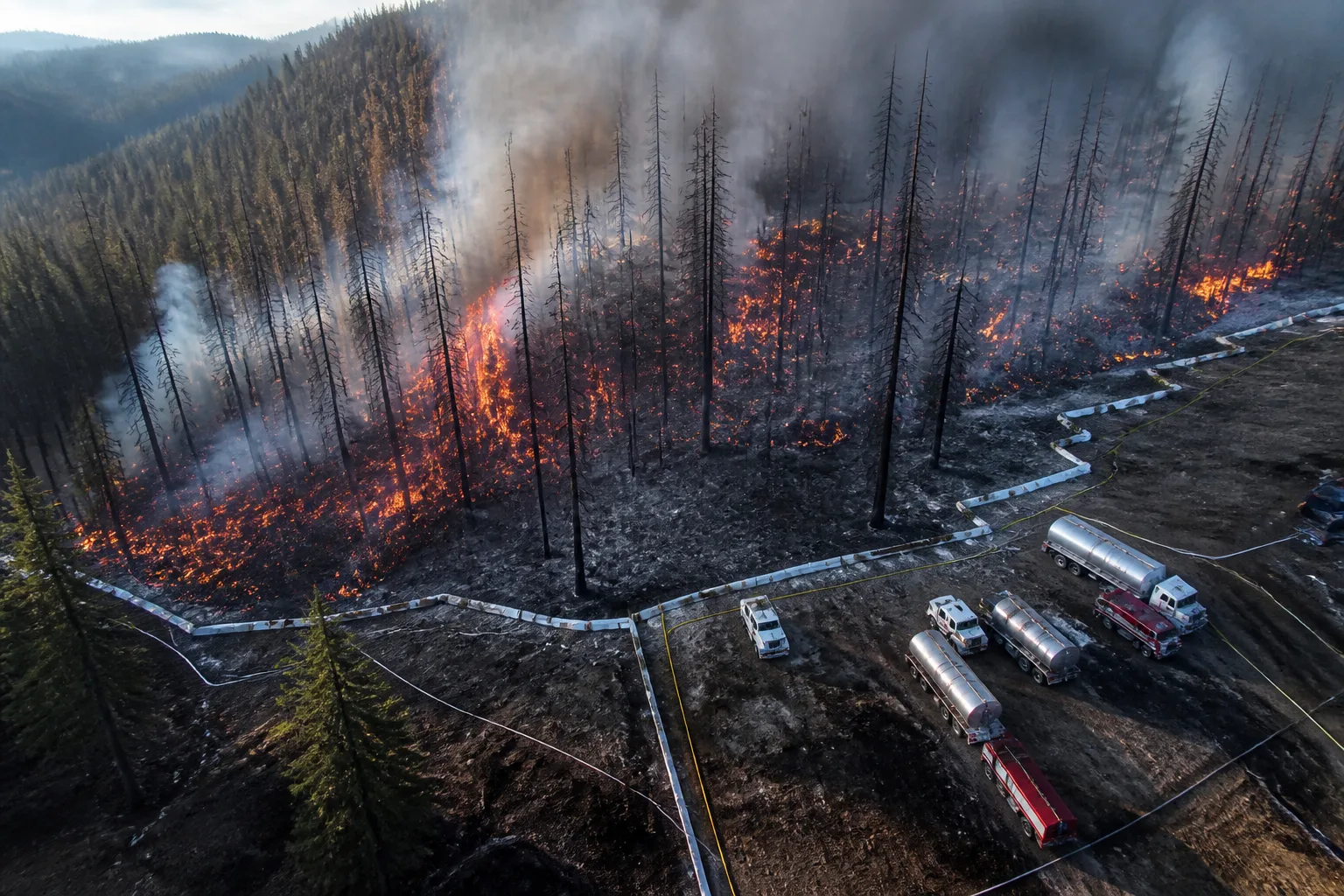
Friday, Governor Tina Kotek stepped onto the front lines of the Akawa Butte Fire, turning a quiet town into a frontline briefing room. The blaze, sparked by a July 16 lightning strike, has already leapt across 27,000 acres of Deschutes and Jefferson counties. With about 2,000 residents still under Level 3 “Go Now” orders, the National Weather Service has issued a red‑flag warning for Central Oregon, warning that low humidity, soaring temperatures and strong winds could fan the flames even faster.
Kotek told reporters that Oregon is living “August conditions because of drought, because of weather, and this is a moment where Oregonians have to come together to defend our communities.” She stressed that state agencies are pulling every tool in the toolbox to protect people and property and urged residents to stay fire‑safe and heed evacuation orders.
Her visit came as the state’s emergency declaration—issued in mid‑June—remains in force. Oregon now faces about 1,200 active fires and has burned more than 500,000 acres, surpassing last year’s total. Fire crews from across the West, plus teams arriving from Australia and New Zealand, have been mobilized to tackle the crisis.
In Sisters, the community gathered in the high‑school auditorium for a town‑hall update. Hundreds of residents, including long‑time neighbors Rita MacDonald, Katie Roberts and Kristan Collins, turned up to hear local leaders speak. MacDonald, who has lived in Sisters for 35 years, shared how she spent the past two days packing personal items and livestock, preparing for a possible evacuation.
Roberts, whose home was under a Level 1 “Be Ready” order, said she had been ready to leave at a moment’s notice. “I feel like my kids are saying I’m overreacting, but my mama bear side is saying, ‘I need to be on it,’” she told the crowd.
Collins, who was evacuated on Wednesday during a lightning‑storm surge, described the chaos of the event. “It was truly chaos,” she said. “I came to the meeting to thank the people working to save my town.” She pointed to a handmade poster that read “Truly grateful.”
Fire officials warned that the blaze had already destroyed at least two homes and placed nearly 5,000 homes under Level 1, 2 or 3 evacuation orders. Incident commander Aaron Whiteley of the Oregon Department of Forestry noted that the state had burned more than 500,000 acres this year, a figure that exceeds last year’s total.
Ben Duda, emergency manager for the Deschutes County Sheriff’s Office, cautioned that the town’s proximity to the fire left little margin for error. “We don’t have the margin for error when we’re getting this close to town,” he said.
Matt Howard, an incident commander with the Oregon Department of Forestry Complex Incident Management Team 2, added that the fire’s behavior was unpredictable. “The outflow of winds from that thunderstorm yesterday was pushing that fire in two different directions. It had two different heads on it,” he explained.
Despite the challenges, leaders at the community meeting expressed cautious optimism. Duda said the goal was to get residents home as soon as possible, but that it would take time to ensure the area was safe and to lift evacuation orders.
The Akawa Butte Fire remains the nation’s top firefighting priority, and Kotek reiterated that the summer is far from over. “We have a long summer yet ahead of us,” she said.
The state’s emergency declaration remains in effect until the wildfire threat subsides or the season ends. As the fire season continues, residents are urged to stay informed, follow evacuation orders, and support the state’s firefighting efforts.
The Akawa Butte Fire is one of more than 70 active fires in Central Oregon, part of a broader pattern of lightning‑sparked fires that have swept the region since mid‑July. With the NWS warning of high winds and dry conditions, the risk of new fires remains elevated.
The community’s response—handmade posters, shared stories, and a collective sense of preparedness—highlights the resilience of Central Oregon residents as they face an unprecedented wildfire season.