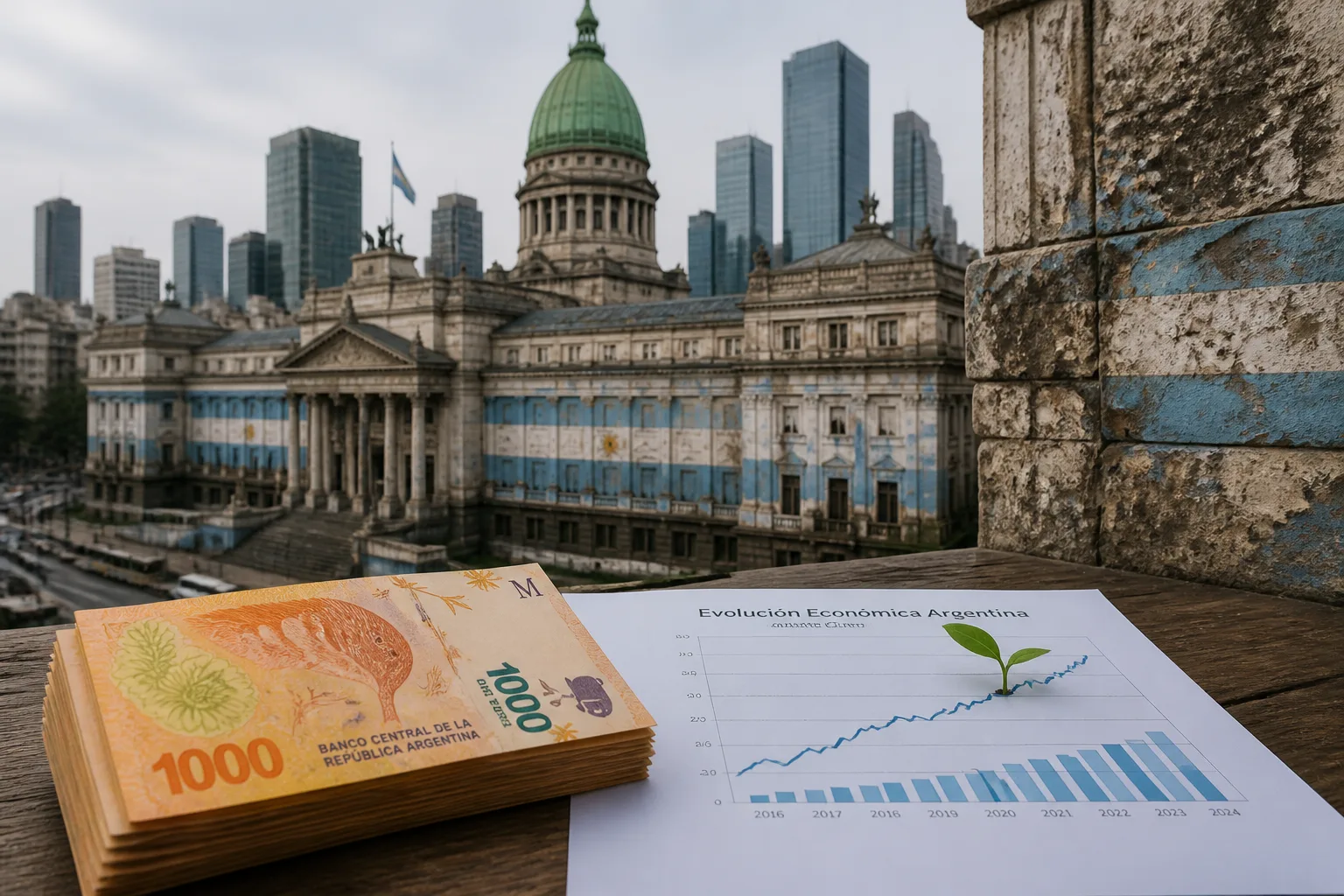
Argentinas Milei: Economic Turnaround Meets Political Fatigue
When Javier Milei slid into the Argentine presidency on 10 December 2023, he carried the swagger of an anarcho‑capitalist and the promise of a fiscal revolution. The new leader, who had never held an executive office before, toppled Economy Minister Sergio Massa in a runoff that finally ended a decade of Peronist rule.
Milei’s first year on the job was a whirlwind of headline‑making numbers. Inflation, which had been running at a staggering 211 % when he took office, fell to just over 30 % by November 2025, according to the national statistics agency INDEC. The government also posted its first fiscal surplus in 14 years—an achievement reached in early 2024 and repeated in 2025. Reuters reported the surplus on 17 January 2025, a figure that the Argentine Treasury later confirmed.
The rebound is reflected in the 2026 growth forecast, which focus‑economics.com projects at 3.5 %. The uptick is largely powered by exports from the Vaca Muerta shale oil and gas fields, mining, and agriculture. Meanwhile, the central bank has kept the peso relatively stable and has begun rebuilding foreign‑currency reserves, a long‑standing vulnerability for the country.
Milei’s reforms have also carved a sharp path away from the state‑led model that had dominated Argentina for decades. Export taxes were cut dramatically, trade liberalisation pushed forward, and the administration publicly backed a Mercosur‑European Union free‑trade agreement. These moves signal a new era of open markets and reduced state intervention.
Yet the economy remains acutely sensitive to investor sentiment. In September 2025, after Milei’s party lost the Buenos Aires provincial elections, the U.S. Treasury stepped in to restore market confidence. The intervention served as a stark reminder that Argentina’s sovereign risk premium remains high and that the government’s goal of re‑entering international debt markets is still far from guaranteed.
The macro‑economic gains have not yet translated into broad social benefits. Real wages stay low, and consumption has recovered unevenly. Manufacturing—a sector historically crucial for jobs—continues to struggle, while much of the new employment is informal or low‑paying, such as delivery work. The government argues that lower inflation, deregulation, and fiscal discipline will eventually unlock wider investment, but many Argentinians remain skeptical.
Political fatigue is also setting in. Milei’s approval ratings have slipped since the initial surge of enthusiasm, and internal disputes within the coalition have become more visible. His sister, Karina, and chief political strategist Santiago Caputo have publicly clashed, while chief of staff Manuel Adorni faced corruption allegations after admitting he had underreported taxes. These controversies raise doubts about Milei’s ability to keep his coalition united.
Peronism, the long‑dominant force in Argentine politics, has not disappeared. Former president Cristina Fernández de Kirchner—still ineligible to run after a corruption conviction—continues to poll competitively. Buenos Aires governor Axel Kicillof, a potential successor to Kirchner, is linked to the interventionist model that Milei sought to dismantle. If voters decide that the libertarian experiment needs to be reversed, Kicillof could become a formidable candidate.
In sum, Milei’s administration has delivered a record economic turnaround—slashing inflation, achieving fiscal surplus, and stabilising the peso. Yet the country still faces significant social and political challenges. The government’s future hinges on its ability to translate macro‑economic gains into tangible improvements for ordinary citizens while maintaining cohesion within its fragile coalition.