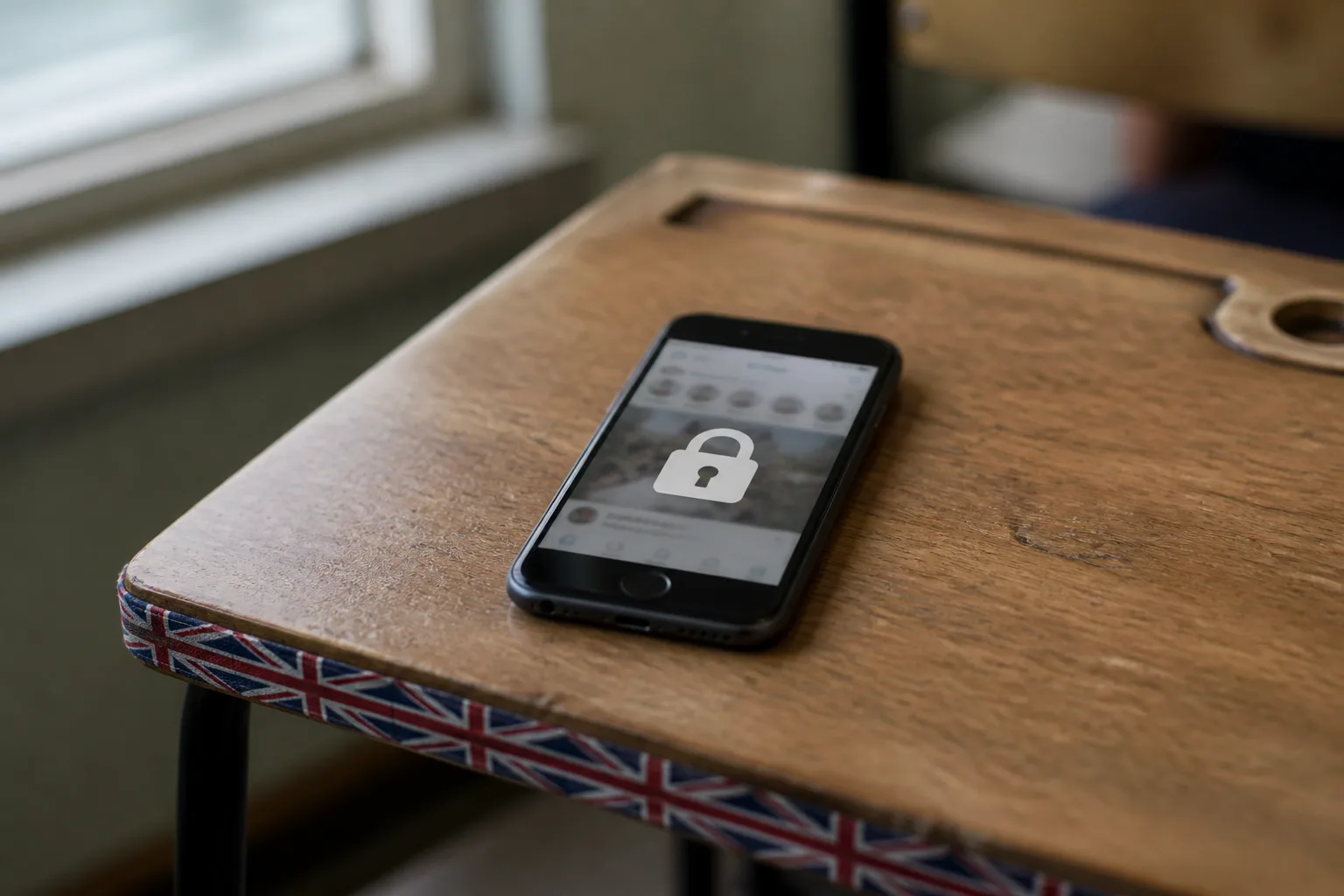
UK to Ban Children Under 16 From Mainstream Social Media Platforms by 2027
The UK government has just announced a sweeping change to children’s digital lives: by spring 2027, anyone under 16 will be barred from mainstream social‑media services such as Instagram, TikTok, Snapchat and X. The decision follows a months‑long consultation that examined how these platforms affect young people’s mental health, safety and overall wellbeing. It marks the most ambitious move since the Online Safety Act of 2023, which already required platforms to act with a duty of care toward minors.
Under the proposal, every major platform will need to verify a user’s age before granting access. Verification could be as simple as a self‑declared birth year or as complex as facial‑recognition software and government‑issued ID checks. The ban does not extend to messaging apps like WhatsApp, but it will touch gaming sites that allow unsolicited contact with strangers, and it will impose limits on livestreaming and the endless‑scrolling feeds that keep teens hooked.
Prime Minister Keir Starmer said the ban could take effect as early as spring 2027, but officials warned that enforcement will be a hard‑won battle. Millions of children already have accounts, and many have learned to bypass age gates by creating fake profiles or using VPNs. The government’s stance is that raising the barrier to entry will reduce overall exposure to potential harms, even if the ban is not foolproof.
The announcement has sparked a chorus of reactions. Many parents applaud the move, arguing that social‑media companies have failed to create truly safe environments for children. Others, however, question whether a blanket ban will work in practice or risk oversimplifying a complex issue. Ian Russell, a prominent online‑safety campaigner whose daughter Molly died after exposure to harmful content, has publicly warned that a ban is not the right solution. Russell argues that platforms should be forced to design safer systems and that stronger regulation is the key, rather than a restriction that many young people may simply sidestep.
The policy reflects a growing political concern about children’s online experiences. In recent years, attention has focused on cyberbullying, exposure to harmful content, online exploitation, algorithmic recommendation systems, endless scrolling and excessive screen time. Stories of harmful content reaching children and social‑media‑related anxiety regularly attract media attention, and campaign groups have highlighted the addictive design of these platforms.
The UK’s proposal is part of a broader international trend. Australia has already introduced legislation to restrict social media access for younger users, and policymakers in several other countries are considering similar measures. The Online Safety Act 2023, which gives the Secretary of State the power to designate and suppress content harmful to children, already imposes a duty of care on platforms. The new ban would add a minimum‑age restriction to that framework.
Critics point out that social media differs from other age‑restricted activities. While children cannot legally buy alcohol or gamble, social media is used for communication, social connection, creativity and information access. A ban may reduce exposure to addictive design features, but it does not address the underlying systems that create concern. Some young people may migrate to less regulated platforms, use VPNs, create false accounts or rely on older friends and family members for access. Others may become less willing to discuss their online experiences if they fear losing access altogether.
For parents, the legislation cannot replace parenting, education and support. Even if a ban is introduced, young people will continue to encounter digital technology, online communities and social platforms throughout their lives. The skills they need to navigate these spaces safely will remain important regardless of what the law says.
The government’s proposal marks a significant shift in online‑safety policy and reflects genuine public concern about children’s digital lives. Whether it becomes a transformative intervention or another chapter in a long‑running debate about technology and childhood remains to be seen. What is certain is that the challenge facing parents, educators and policymakers extends beyond social media itself. The real question is not simply how to keep children away from online risks, but how to help them develop the skills, confidence and resilience they need to navigate an increasingly digital world.