Trump Administration Imposes Four-Year Cap on International Student Visas
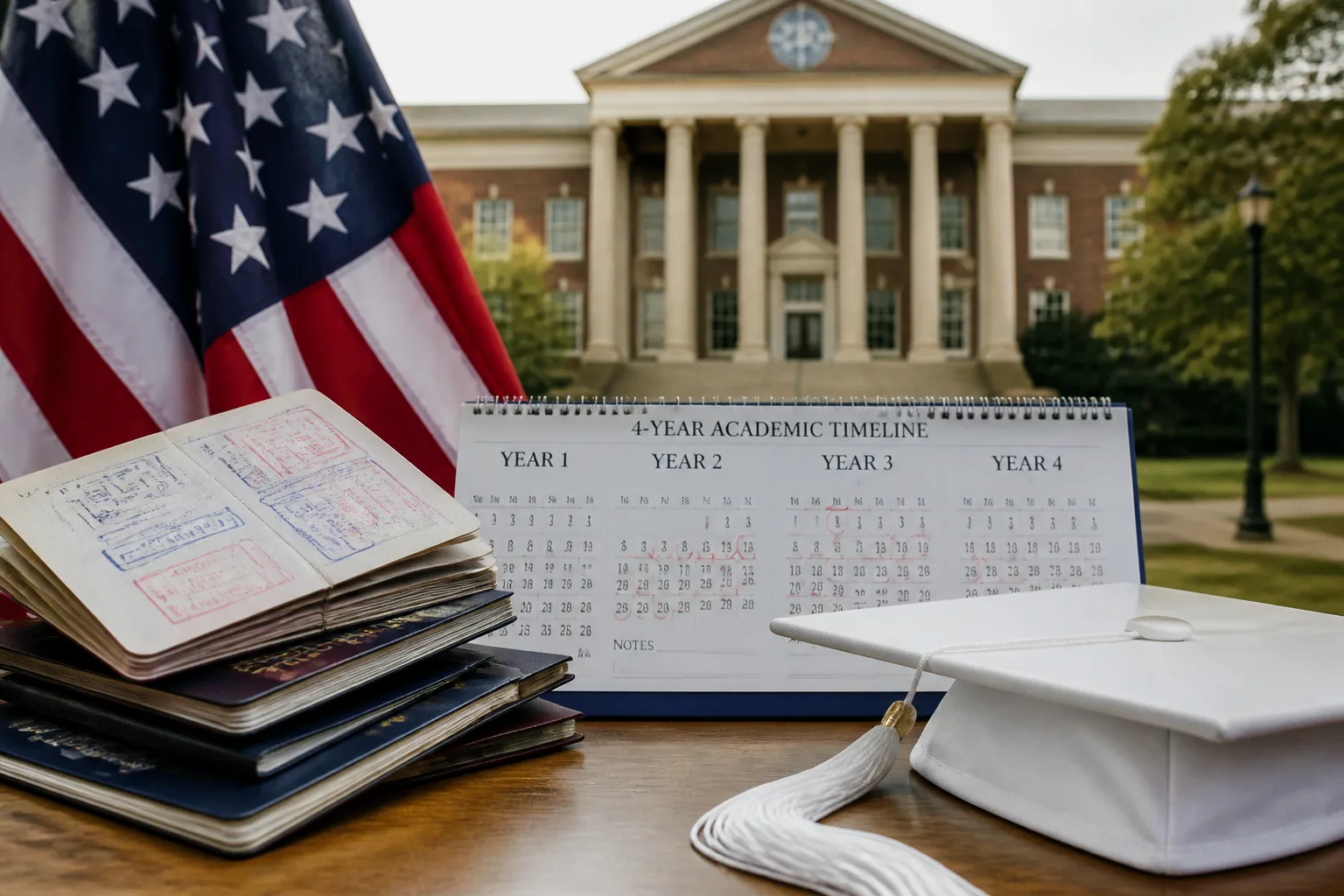
On July 16, 2026, the Department of Homeland Security (DHS) rolled out a new rule that will cap the length of stay for international students in the United States at four years—unless they secure federal approval to stay longer. The change, set to take effect in September, replaces the long‑standing “duration of status” (D/S) framework that let students remain in the U.S. for as long as their academic program required.
Under the new rule, F‑1 students are admitted for a fixed period of up to four years. If a program runs longer, students must apply for an extension and receive explicit permission from DHS. The policy also tightens the rules on changing majors or academic programs, requiring prior approval and limiting when such changes can occur.
This move follows a series of Trump‑era immigration actions that tightened visa conditions. Earlier this year, the administration terminated the legal status of many students, forced some to leave the country, and required visa applicants to disclose social media accounts. Travel bans affecting more than a dozen countries further reduced the number of students able to obtain visas.
Higher‑education leaders have slammed the rule as an unnecessary administrative burden. “This action is unnecessary and duplicative,” said Zuzana Wootson, deputy director of federal policy at the Presidents’ Alliance on Higher Education and Immigration. “International students are already among the most closely monitored non‑immigrant populations in the U.S. and are subject to rigorous oversight by DHS and academic institutions.”
DHS Secretary Markwayne Mullin defended the policy as a measure to close a loophole that students were allegedly exploiting to extend their studies. “By implementing clear, finite limits on these visas, the United States is reclaiming its ability to properly screen, vet, and monitor individuals within our borders,” Mullin said. “This final rule ensures that foreign students remain focused on their primary purpose: completing their studies and returning home.”
The rule comes amid a steady decline in international student enrollment. Many U.S. schools, especially those with smaller endowments, rely heavily on tuition from international students, who pay full price and are ineligible for federal financial aid. A shrinking pool of foreign students could ripple through campus finances, faculty hiring, and the broader economy.
Fanta Aw, CEO of NAFSA, the international education association, warned that the policy could push bright students to other countries. “At a time when global competition for talent is intensifying, this policy sends exactly the wrong message,” Aw said. “It tells the world’s brightest students and scholars that the United States is becoming less welcoming, less predictable, and less committed.”
The impact on students’ academic trajectories is significant. Programs that traditionally take five or six years—such as engineering, law, or some graduate degrees—will now require students to seek extensions after the initial four‑year period. The added paperwork and uncertainty may deter prospective applicants and complicate planning for current students.
While DHS frames the change as a security measure, critics argue that it could undermine the U.S. reputation as a destination for high‑quality education. The policy’s long‑term effects on enrollment, institutional finances, and the U.S. talent pipeline remain to be seen.
The rule is set to take effect in September 2026. Students currently in the U.S. on F‑1 visas will transition automatically to the new system, with their authorized stay capped at a maximum of four years from the effective date. Those who wish to remain beyond that period must apply for an extension and obtain federal approval.
In sum, the policy reflects the Trump administration’s broader strategy to tighten immigration controls and prioritize national security concerns over the educational and economic benefits of international students.