Laiyang Nuclear Plant Begins Site Levelling for First Two Guohe One Units
On a crisp September morning, the quiet coastline of Shandong Province turned into a hub of activity as the State Power Investment Corporation (SPIC) kicked off the first concrete step toward China’s next nuclear milestone.
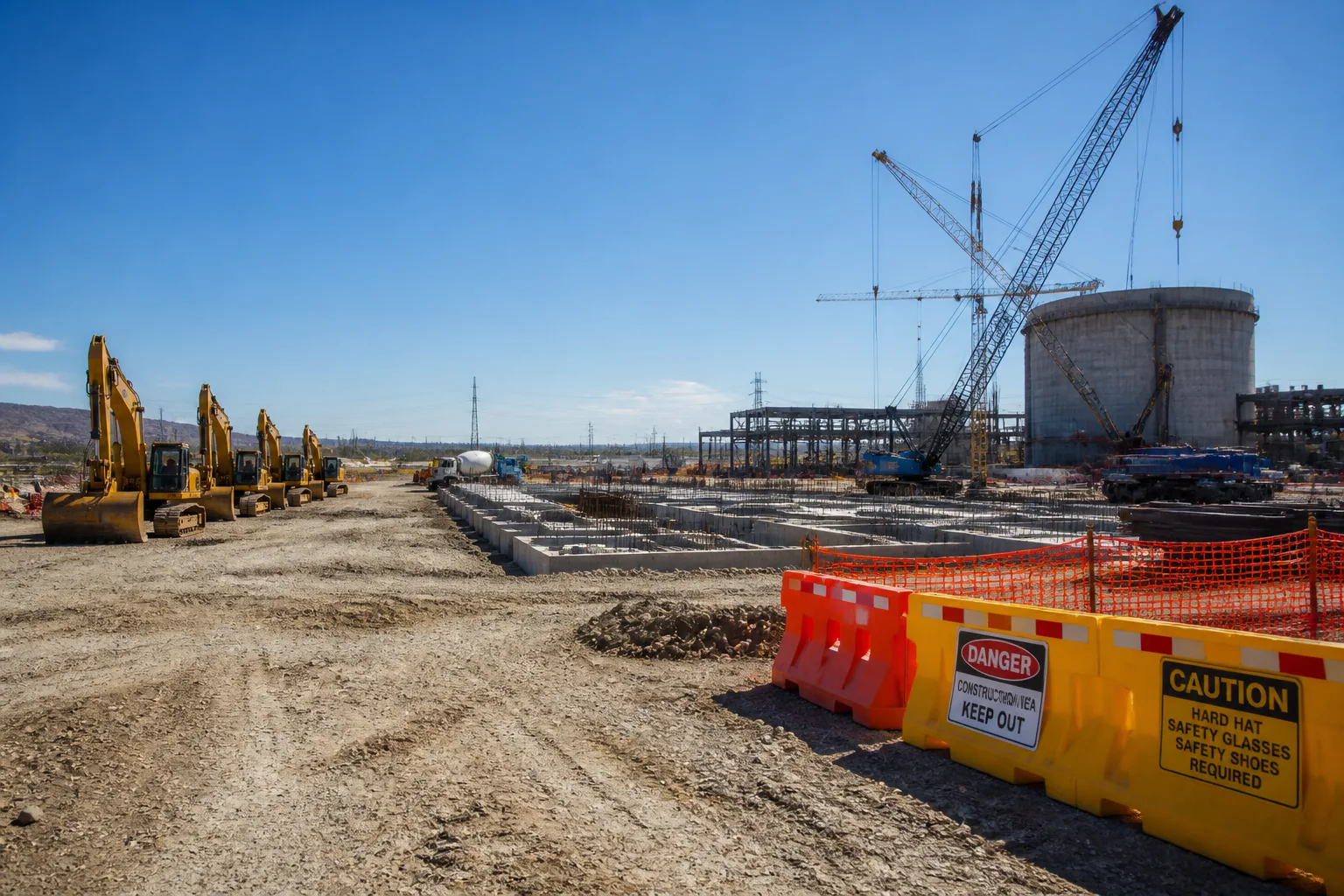
On 1 September 2026, SPIC convened pre‑construction and mobilisation meetings to lay the groundwork for the site levelling of the main plant area at the Shandong Laiyang Nuclear Power Project. The meetings marked a pivotal moment in the plant’s first phase and signaled the full‑scale start of levelling for Units 1 and 2.
The Laiyang project sits squarely within China’s broader strategy to expand third‑generation nuclear capacity. Back on 31 July, a State Council executive meeting chaired by Premier Li Qiang gave the green light for the construction of two Guohe One reactors as the plant’s initial phase. The plan is ambitious: a total of six Guohe One units, each a 1,400 MWe generation‑III+ pressurised water reactor. The design, which SPIC unveiled in September 2020 after 12 years of research, is a larger, fully indigenised version of the Westinghouse AP1000, now protected under Chinese intellectual property rights.
SPIC has said that once all six units are finished, the Laiyang plant will become China’s largest nuclear base by installed capacity. That means a staggering 9.26 GW of output, translating into roughly 74 TWh of clean electricity each year and a heating capacity that covers more than 170 million square metres. The project is intended to prove the benefits of mass production and 100 % domestic production capability, bolstering regional energy security while advancing the nation’s dual‑carbon goals.
The first two Guohe One reactors are already on the ground at the Shidaowan site in Shandong Province. Unit 1 was connected to the grid in November 2024, and Unit 2 followed a year later in September 2025. Those milestones demonstrate the feasibility of deploying the CAP1400 design at scale, and SPIC highlighted that the Laiyang project will accumulate replicable construction and management experience for the large‑scale promotion of third‑generation nuclear power across China.
With site levelling now underway, the next chapters of construction will unfold in a familiar sequence: foundation work, concrete pouring, and the installation of the reactor containment structures. The entire project carries an estimated investment of 128.3 billion yuan—about US$18 billion. When the plant is complete, it will stand as a significant source of low‑carbon electricity, supporting China’s ongoing transition to a more sustainable energy mix.
In a world where clean power is a headline topic, the Laiyang plant’s progress offers a concrete example of how technology, policy, and industry can converge. It’s a reminder that behind every megawatt of future electricity lies a careful dance of engineering, governance, and community investment. The Shandong coast, once just a quiet stretch of land, is now witnessing the birth of a new chapter in China’s nuclear story—one that could power millions of homes for generations to come.