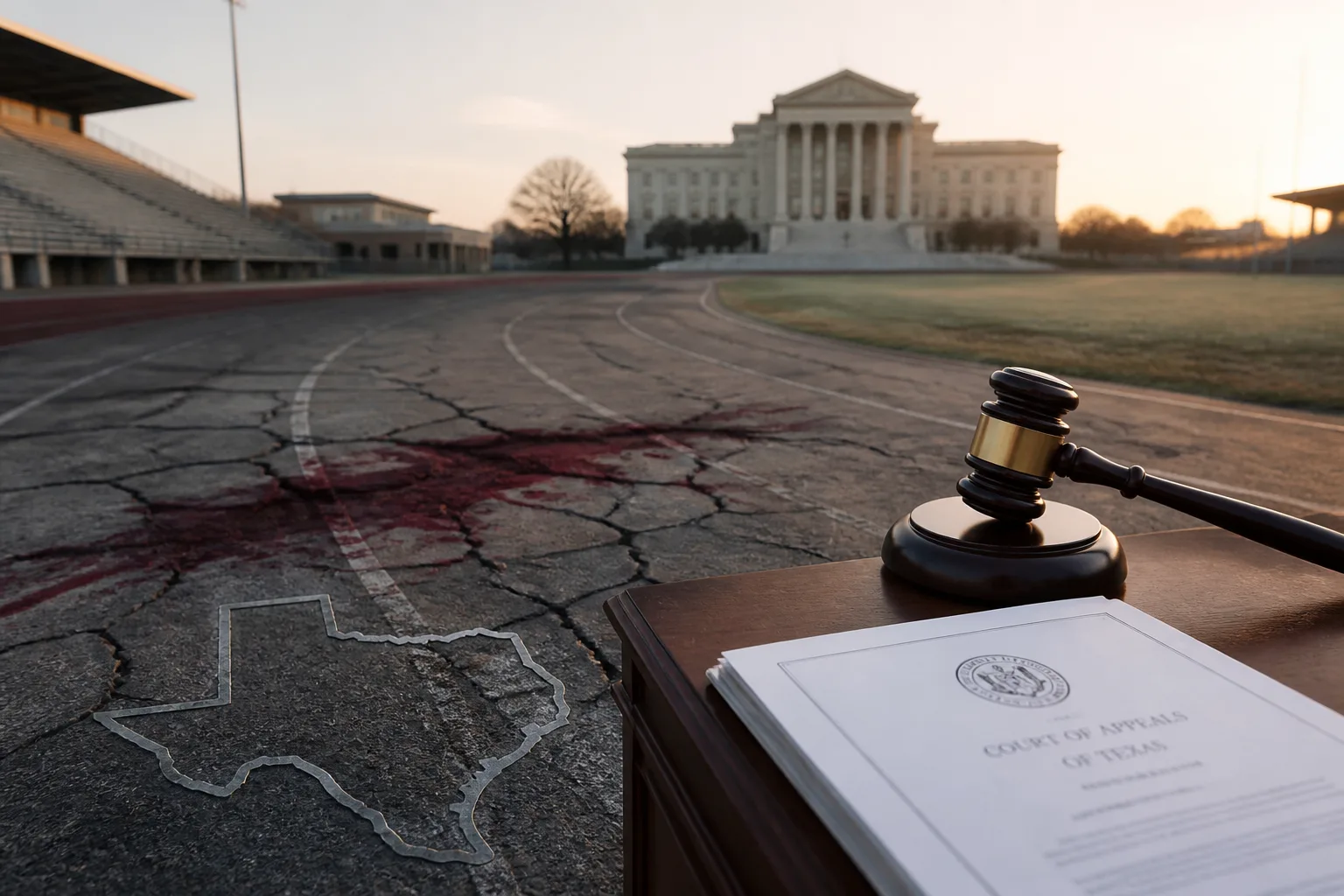
Frisco Track Meet Stabbing: 19-Year-Old Sentenced to 35 Years in Texas Court
When a Friday afternoon at Memorial High School in Frisco, Texas, was supposed to be a routine sprint of sneakers and cheers, it turned into a headline‑making tragedy. On April 2, 2025, 17‑year‑old Austin Metcalf, a senior running the 100‑meter dash, was fatally stabbed by 19‑year‑old Karmelo Anthony of nearby Centennial High School. Metcalf never made it out of the gymnasium; the wound was fatal at the scene.
Anthony was taken into custody shortly after the attack. Prosecutors charged him with first‑degree murder, and he entered a plea of not guilty, citing self‑defense. The case was heard in Collin County’s 296th District Court, where Judge John Roach presided.
In a move that stunned reporters and social‑media commentators alike, Judge Roach barred all cameras and livestreams from the courtroom. The decision sparked a national conversation about media access, race, and the integrity of the judicial process. Defense attorneys argued that the ban curbed public scrutiny, while prosecutors insisted it was necessary to protect the fairness of the proceeding. Roach defended the restriction by saying a judge’s primary duty is to ensure an unbiased trial for both the defendant and the prosecution. He maintained that keeping the courtroom free from external influence preserved the gravity of the case.
The closed‑door approach also fed into a swirl of unfounded rumors. Several social‑media posts alleged that Roach had a personal relationship with the Metcalf family. In a post‑trial statement, the judge denied any prior connection, adding that he would not have recognized the victim had they met outside of court.
Despite the media blackout, the trial itself was thorough. The Collin County jury, composed of ordinary citizens, heard evidence from eyewitnesses, forensic experts, and both sides’ attorneys. After three hours of deliberation, they returned a guilty verdict on June 9, 2026. Judge Roach sentenced Anthony to 35 years in prison, the maximum penalty for first‑degree murder in Texas.
Reactions from the families were unexpectedly complex. Metcalf’s father, in a statement released after the verdict, expressed a surprising degree of empathy toward the accused, remarking that “every kid is human.” In contrast, Anthony’s parents faced the stark reality of their son’s lengthy sentence, with one mother saying, “It’s a hard pill to swallow, but justice has been served.”
The case underscores the delicate balance between public transparency and the need for a fair trial. While the ban on cameras limited the public’s ability to witness proceedings, it was intended to shield the process from potential bias and external pressure. The judge’s decision, the jury’s verdict, and the final sentence all point to a legal system grappling with how to maintain both accountability and impartiality.
In the end, the courtroom closed on a definitive judgment: a young life was lost, a perpetrator was convicted, and the community was left to reckon with the cost of justice in a high‑stakes, high‑visibility case. The proceedings, though shrouded from the cameras, have left a lasting imprint on how similar cases may be handled in the future.