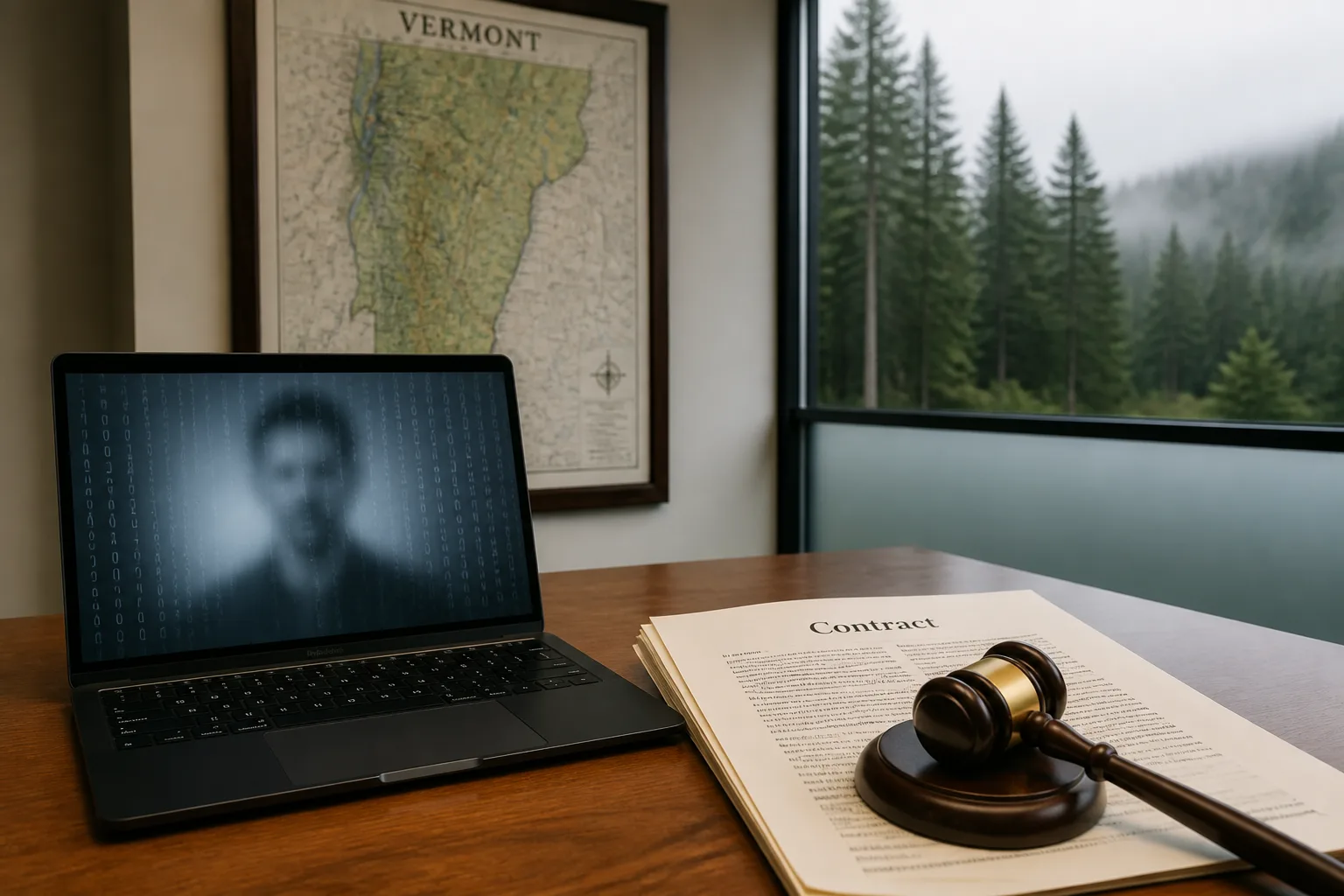
AI-Generated Video Targeting Vermont Congresswoman Sparks Debate Over New Disclosure Law
In early June, a 50‑second clip that could have been ripped straight from a sci‑fi film hit social media. Created with artificial intelligence, the video slams Vermont congresswoman Becca Balint, calling her an “evil” and “radical communist” before ending with an animated excavator dumping her into a dumpster outside the statehouse. The clip, posted by independent journalist Hank Poitras on his Facebook page Planet Hank, is already a flashpoint in the 2026 House race.
When reporters pressed Poitras about the AI tool he used, he simply replied, “No comment.” The video didn’t stay quiet for long. Coester, Balint’s Republican challenger, reposted it on his own Facebook feed and shrugged off the backlash. “Obviously satire,” he said. “If they do want to challenge it, then bring it on. This is First Amendment rights.”
Balint was quick to denounce the clip as “AI slop” and expressed a clear desire to keep it out of Vermont politics. She added that the content “runs afoul of that,” pointing to a state law that took effect in March. The new law mandates disclosure of deceptive political content at least 90 days before an election and empowers the Attorney General’s office to levy a $1,000 fine for violations.
The Attorney General’s office has confirmed it is reviewing the video. The law was designed to prevent misleading political content from swaying voters without proper disclosure. Under its provisions, any political material that could be deceptive must be identified and made public.
Political science professor Matthew Dickinson of Middlebury College called the clip one of the first real‑world tests of the law. “The question is, does the ad work? Does it boost support for the candidate?” he asked. Dickinson noted that the impact of AI‑generated political content on elections remains largely unknown.
The controversy comes amid the 2026 U.S. House election cycle. Balint, the incumbent Democratic representative for Vermont’s at‑large district, was re‑elected in 2024 with 62.3% of the vote. Her opponent, Coester, has used the video to bolster his campaign.
This incident underscores a broader trend: the growing use of AI in political messaging. The clip exemplifies how synthetic media can produce persuasive, yet potentially misleading, content. Vermont’s new law joins a handful of states that have begun to regulate deceptive political content.
So far, no legal action has been taken against Poitras or Coester. The Attorney General’s office is still assessing whether the video meets the criteria for a deceptive political advertisement under the law.
The debate over the clip highlights the tension between free speech and the need for transparency in political advertising. While Coester insists the clip is protected satire, Balint and her supporters argue it misrepresents her and could mislead voters.
The situation remains unresolved, and it will be closely watched as the 2026 election approaches. The outcome may influence how other states approach regulation of AI‑generated political content.
Vermont’s disclosure law, requiring that deceptive content be announced 90 days before an election, is part of a national conversation about AI’s role in politics. As more AI tools become available, the legal framework will need to adapt to ensure voters receive accurate information.
The case also raises questions about the responsibilities of independent journalists and political candidates when using AI to create content. The lack of transparency about the AI platform Poitras used adds to concerns about accountability.
In summary, an AI‑generated video targeting Becca Balint has sparked a debate over Vermont’s new disclosure law. The law could impose a $1,000 fine and requires political content that could be deceptive to be disclosed 90 days before an election. The Attorney General’s office is reviewing the video, while political figures on both sides present contrasting views on the legality and ethical implications of the clip.
The outcome of this review will likely set a precedent for how AI‑generated political content is regulated in Vermont and potentially in other states.