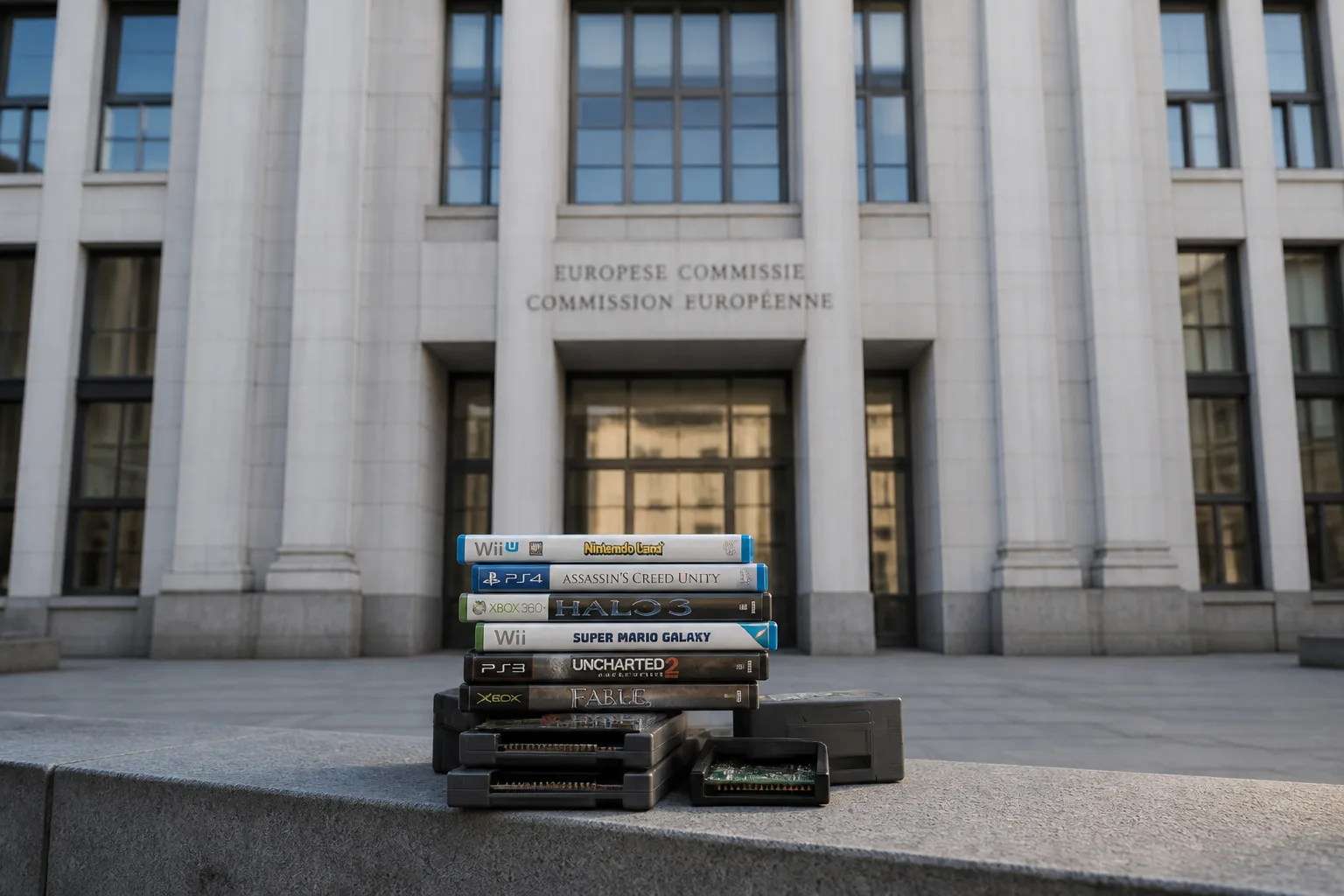
European Commission Rejects Stop Killing Games Petition, Leaving Game Preservation Fight Unresolved
The European Commission has declined to act on a petition that gathered more than 1.3 million verified signatures from EU citizens demanding that publishers keep full‑priced games playable after they are taken offline. The petition, titled "Stop Destroying Videogames," was submitted by the consumer movement Stop Killing Games (SKG) in January 2026.
SKG was founded in 2024 by Ross Scott in response to Ubisoft’s decision to shut down the servers for the online‑only racing game The Crew. The shutdown left the game unplayable for roughly 12 million players, many of whom had purchased the title just before the servers were decommissioned. Ubisoft is currently facing legal action over the move in both California and France.
The petition’s core demand was that the Commission propose legislation to prevent publishers from rendering full‑priced games permanently unplayable. The Commission’s decision, announced on 16 June, was a setback for SKG. In its response, the Commission said it could not propose laws to keep games playable after they are pulled from sale – a point SKG says it never demanded. The Commission cited existing intellectual property rights, publisher costs, and potential cybersecurity concerns as reasons for its refusal.
Industry lobbying may have played a role. Two weeks before the ruling, Ubisoft and Video Games Europe (VGE), a lobby group representing major publishers, met with the Commission behind closed doors. SKG and observers have raised questions about whether the meeting influenced the outcome.
Instead of binding legislation, the Commission announced plans to convene industry and consumer representatives to develop a voluntary, non‑binding code of conduct for end‑of‑life products by the end of 2026. Possible measures include warnings on store pages for games that require an internet connection and engagement with preservation groups.
SKG remains undeterred. In a press conference, the group said it will pursue other avenues, including appealing to the European Parliament. Some have suggested amending the Digital Fairness Act, a package of consumer protection laws currently under discussion in the EU. The Act already contains rules against dark patterns, addictive design, misleading pricing, and hard‑to‑cancel subscriptions.
Meanwhile, in the United States, SKG is backing California’s Protect Our Games Act. The bill, which has passed the state Assembly and is headed to the Senate, would require publishers to give 60 days’ notice before shutting down an online game and to either keep it playable through an offline mode or community server support, or issue a full refund.
The debate centers on whether a game purchase constitutes ownership of a product or merely a license to access a service. Ubisoft and VGE argue that developers should not be required to maintain servers indefinitely and that customers purchase only licenses. SKG counters that the industry misrepresents its goal and that consumers should be able to expect continued access to a full‑priced game for a reasonable period.
The European Commission’s decision does not end the fight for game preservation. SKG continues to lobby for stronger consumer protections, while the industry maintains its stance that maintaining online services indefinitely is not feasible. The outcome of the upcoming code‑of‑conduct meeting and potential legislative amendments will determine whether EU gamers can secure more reliable access to the games they buy.
The case highlights a growing concern among players and consumer advocates: the fragility of digital purchases when publishers can unilaterally shut down services. As the debate evolves, both sides will likely seek to balance the interests of publishers, developers, and consumers in an increasingly digital marketplace.