G7 Considers Licensing Ukraine to Produce Western Weapons Amid Production Shortages
Imagine a future where Ukraine could roll out its own Patriot missiles instead of waiting for shipments from abroad. That’s the provocative idea the Group of Seven (G7) is exploring after their June 17 summit in Évian‑les‑Bains, France.
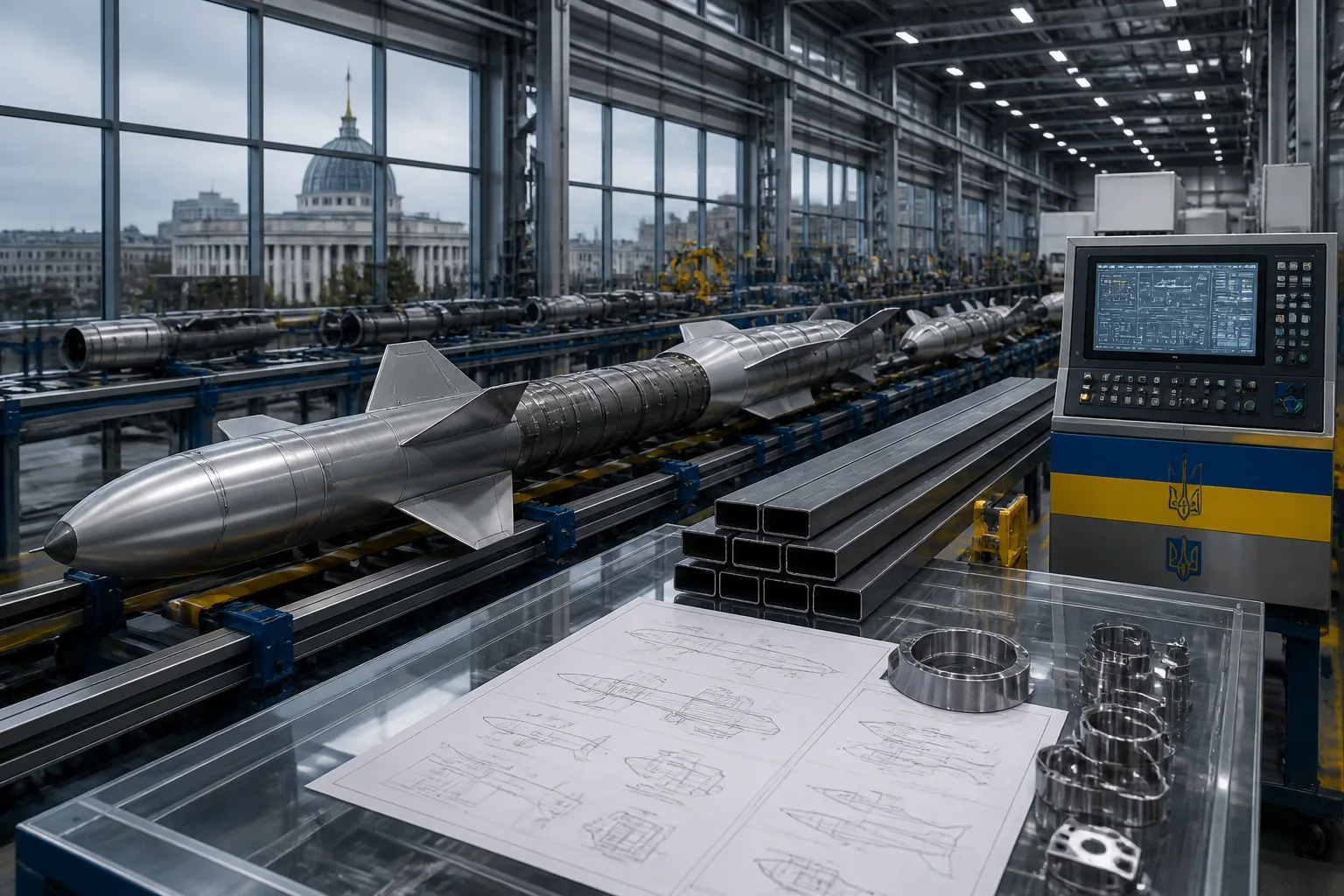
In a joint statement, the G7 said it would "increase the delivery of air defence capacities, additional systems and interceptors, and long‑range capabilities" to Kyiv. But it also added a bold new twist: the bloc is ready to "consider extending to Ukraine the benefit of licences to allow for an increase in Ukraine’s military production."
The plan would let U.S. manufacturers hand licences over to European defence‑industrial firms, effectively opening the door for Ukraine to produce certain Western weapons—anti‑aircraft systems and long‑range missiles—on its own soil. This move could help smooth out the shortages that have left Ukraine scrambling for spare parts and ready‑made munitions.
German Chancellor Friedrich Merz weighed in on the policy shift. He pointed out that the United States is usually reluctant to transfer production technology. "We are all currently producing too little, and this can be offset by granting licences to companies that have these production capabilities, including European and Ukrainian firms," he said. That marks a departure from the U.S.’s traditional preference for supplying finished weapons.
U.S. President Donald Trump also confirmed that licensing Patriot anti‑aircraft missiles for Ukraine is under consideration. "They would like to be able to do that, we’ll take a look at it. They have asked about it," he told reporters on Wednesday. Kyiv has repeatedly requested such licences, but Washington has consistently declined.
The war has taken a heavy toll on Ukraine’s industrial base. Many key defence factories once sat in the eastern Donbass region, now under Russian control or heavily damaged. The collapse of the Soviet‑era network and ongoing conflict have left the country with limited capacity to produce advanced weapons.
Take the Bogdana self‑propelled howitzer, which entered service in 2025. It rides on a European‑made chassis and uses NATO‑standard 155 mm ammunition, but its barrel’s origin remains unclear and the system relies on components sourced abroad. Or the FP‑5 Flamingo cruise missile from Fire Point: a U.S. free‑fall bomb becomes its warhead, while Soviet‑era AI‑25TL engines salvaged from retired trainer aircraft power the missile.
Russia’s Defence Ministry, in mid‑April, listed Ukrainian‑linked production sites spread across Europe—from the UK and Germany to Denmark, the Netherlands, Latvia, Lithuania, the Czech Republic, Poland, Turkey, and Israel. The ministry warned that using these facilities could drag European states into conflict with Russia.
The licensing proposal could decentralise production and reduce the risk of Russian strikes on Ukrainian factories. By allowing weapons to be built in multiple locations, the G7 hopes to keep supply lines open and even disguise the origin of the munitions as locally manufactured.
So far, the initiative remains on the drawing board. Ukrainian officials say they’re ready to ramp up production if licences are granted, but the United States has not yet made a decision. The G7’s statement is a significant step, yet the practical feasibility of expanding Ukraine’s domestic weapons production remains uncertain.
All this comes as Ukraine continues to rely heavily on Western aid for air defence and long‑range strike capabilities. The country has secured three new Patriot batteries but has requested ten. The push for production licences is part of a broader strategy to increase self‑sufficiency in critical defence systems.
In short, the G7’s consideration of licensing Ukraine reflects the changing dynamics of the conflict and the urgent need to address supply shortages. Whether the plan will materialise hinges on U.S. and European manufacturers’ willingness to share technology and on Ukraine’s ability to meet the technical and logistical demands of large‑scale weapons production.