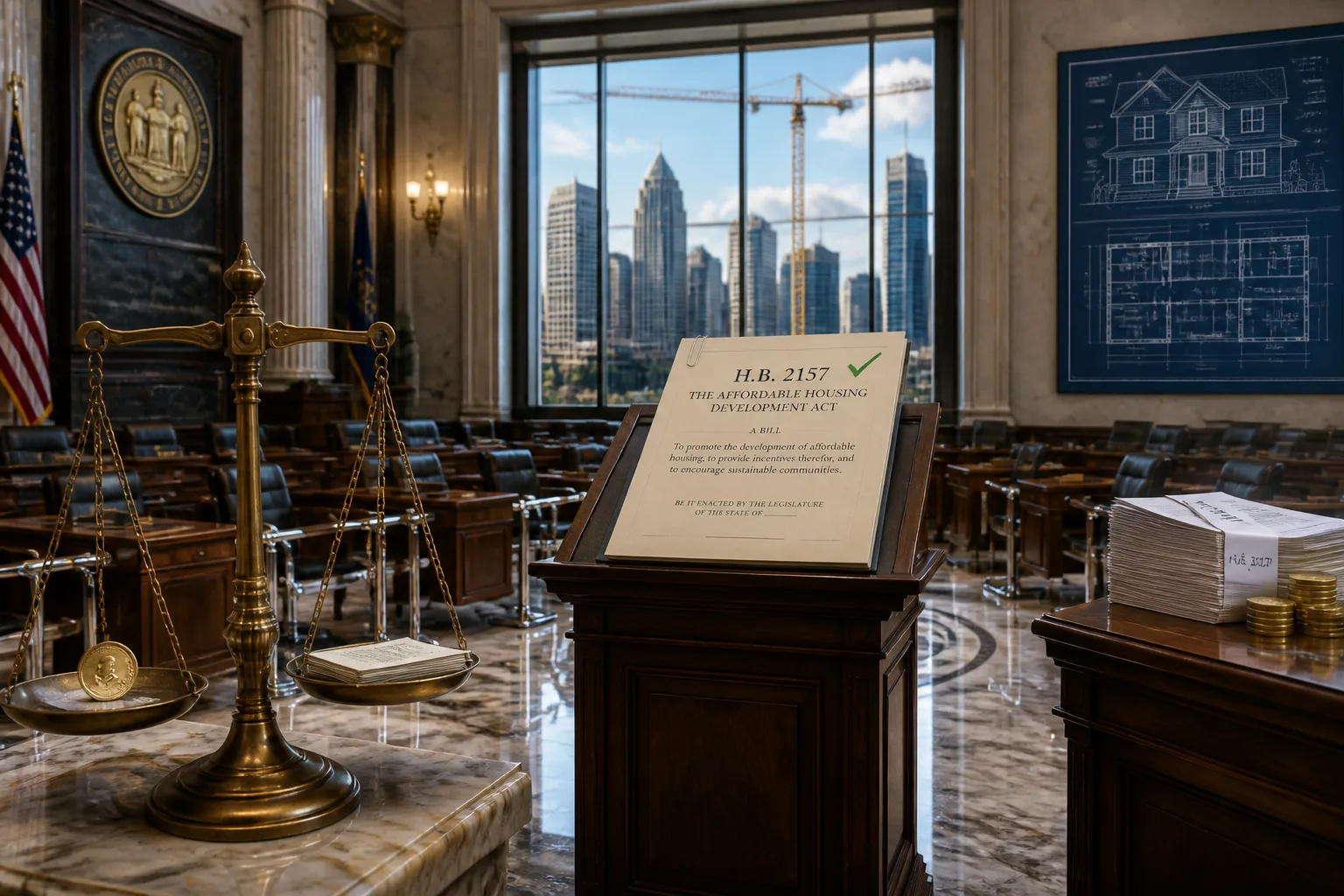
Senate Passes Bipartisan Housing Bill Aiming to Cut Costs and Expand Local Control
In a decisive 85‑5 vote on Monday, the U.S. Senate gave the green light to a sweeping bipartisan housing package that could reshape the nation’s housing market. The bill, which will now move to the House for final consideration, seeks to trim federal red tape, hand more land‑use power to local governments, and bar corporate investors from buying single‑family homes.
"Lower costs, expand housing supply, cut red tape, protect taxpayers, and help more Americans achieve the dream of homeownership," said Senate Banking Committee Chairman Tim Scott, the South Carolina Republican who shepherded the legislation. Democratic co‑chair Elizabeth Warren called it the most significant housing measure to pass Congress since 1990, when the average U.S. home sold for about $150,000. She added that the bill blocks private equity from turning housing into a Wall Street investment.
Representative Maxine Waters of California, a key negotiator, described the package as a "huge step toward finally addressing the affordable housing and homelessness crises in this country." President Donald Trump has already signaled his support, making the bipartisan coalition all the more powerful.
The passage comes against a backdrop of a widening affordability gap. Mortgage rates have surged since 2022, and sales of previously occupied homes have hovered near 4 million per year since 2023—well below the historical average of 5.2 million. A 2024 Economic Report of the President cites a shortage of 10 million homes, while a Harvard University study shows existing‑home sales at three‑decade lows and rising inventories due to high buying costs. Rent has also stayed stubbornly high; the median monthly rent in May was 17.2 % above pre‑pandemic levels, even as it has declined for nearly three years.
At its core, the bill streamlines environmental reviews and speeds up construction. It would award Community Development Block Grant money to local governments that build more housing and create new funds for converting abandoned infrastructure into residential units. The legislation also gives communities a framework to reform outdated zoning regulations that often limit large‑scale developments.
For affordable housing, the bill allows banks to invest more in such projects and raises limits on the number of public housing units that can receive private financing through Section 8. It removes outdated requirements and expands federal financing for manufactured homes, which are among the most cost‑effective options but have historically faced restricted access to credit.
A compromise was reached on the federal disaster recovery program. While the Senate originally authorized permanent block‑grant recovery funds, House lawmakers opposed that approach. The final bill now authorizes the program for three years instead of permanently.
The package has drawn praise from a wide range of stakeholders. David Dworkin, chief executive of the National Housing Conference, said the bill is "a significant down payment on a long‑term effort to make housing more affordable for all Americans," acknowledging that no single piece of legislation will solve the crisis overnight.
The bill is now on the House floor, where it is expected to pass later this week. Once approved, it will be sent to President Trump for signature. If signed, the legislation would mark the largest federal housing initiative in decades and could set the stage for a new era of housing policy aimed at increasing supply and lowering costs.