Alaska Senator Lisa Murkowski Rejects SAVE America Act, Citing Voter Access Concerns
Alaska’s lone wolf senator, Lisa Murkowski, has taken a stand that could derail the SAVE America Act, a federal bill that would tighten voter registration and slash mail‑in voting. In a sharp op‑ed for the Wall Street Journal published just 24 hours after former President Donald Trump urged the Senate to pass the legislation, Murkowski made it clear: she supports the bill’s core goal—ensuring that only American citizens vote and that voters carry proper identification—but she believes the current wording would cripple Alaska’s election system.
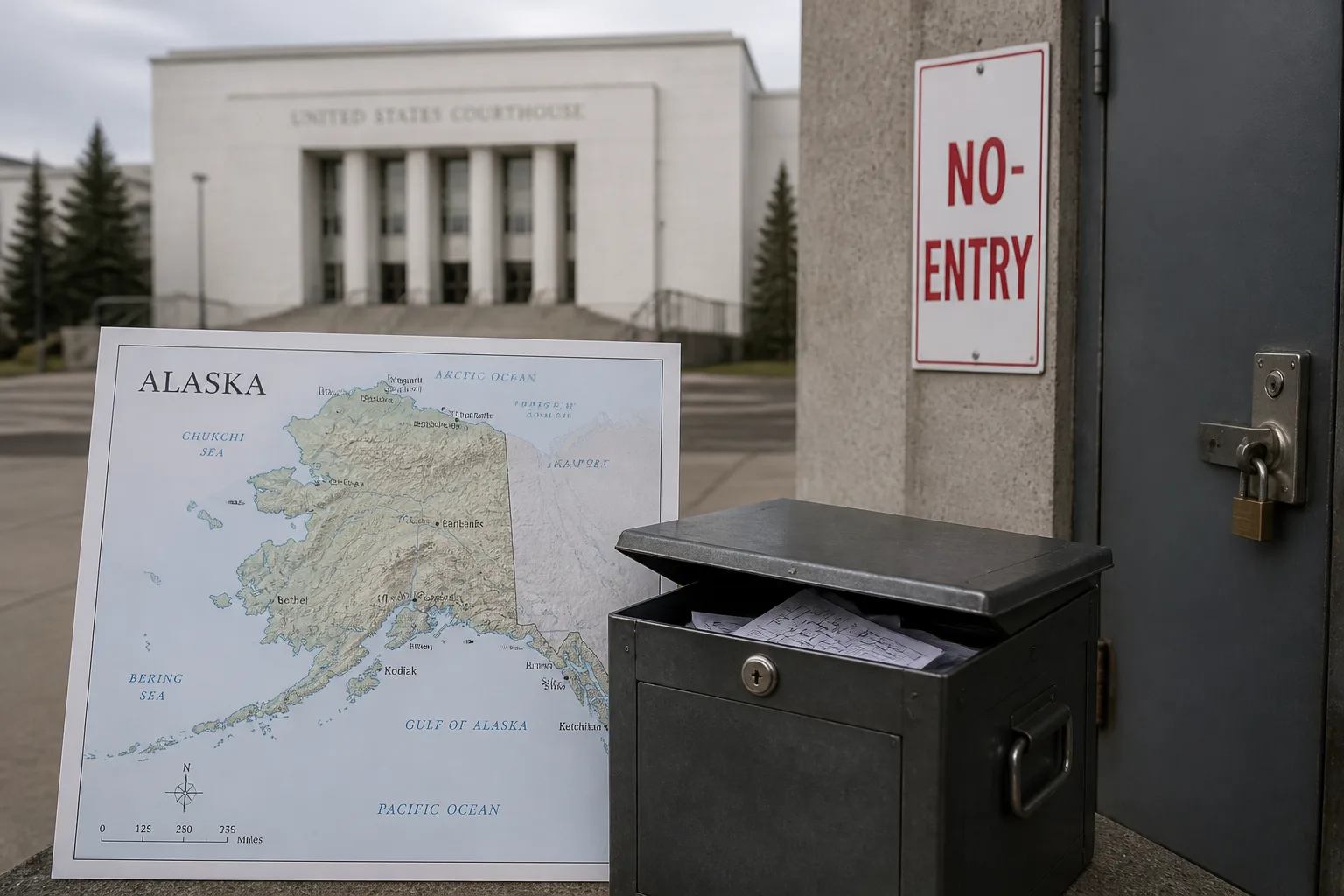
Murkowski’s objections hinge on the state’s unique geography and voting habits. With only six election offices spread across a vast, sparsely populated landscape, many Alaskans live in island or remote communities that lack roads. The senator warned that under the proposed rules, those voters would have to pay hundreds of dollars for flights, hotels, and transportation just to reach an in‑person registration site. For thousands of residents, that cost would be a practical barrier, effectively silencing their voices. She also pointed out that Alaska Natives often rely on tribal identification cards—documents the bill would not accept for most election purposes.
The SAVE America Act would do more than raise the bar on ID. It would also eliminate absentee voting except for a narrow set of circumstances involving military deployment or illness. In a state where unpredictable weather and long travel distances make mail‑in ballots a lifeline, the bill’s restrictions would undermine the ability to conduct elections fairly and efficiently.
According to the bill’s text, the new requirements would take effect for the 2026 midterm elections. Murkowski cautioned that the logistics of implementing the rules would be impossible to complete before November, and that rushing the rollout would create chaos at the polls.
The House of Representatives passed the bill on Feb. 11, 2026, with a vote of 218‑213. It now sits on the Senate floor, but it has not yet been voted on. Several Republican senators—including Thom Tillis of North Carolina—have pledged to oppose the bill, meaning it currently lacks the votes needed to pass.
Trump’s July 17 speech in Washington, where he reiterated claims of widespread voter fraud and urged the Senate to adopt the SAVE America Act, did not appear to sway Republican lawmakers who are already opposed to the measure. The Wall Street Journal editorial board suggested that the former president’s remarks may actually backfire, arguing that a message that elections cannot be trusted could discourage voters.
Murkowski’s op‑ed has sparked a backlash on social media from supporters of the bill. Many have called for her to be primaried, while others defend her stance as a defense of voters’ rights.
The debate over the SAVE America Act highlights a broader national conversation about voter ID laws and election integrity. While proponents claim the bill will safeguard elections, critics argue that the requirements would impose costly barriers and potentially suppress eligible voters.
As of now, the SAVE America Act remains a pending piece of legislation. The Senate will need to hold a vote before the bill can be sent to the President’s desk for signing. Until that vote takes place, the bill’s future remains uncertain.
The discussion continues to unfold as lawmakers weigh the potential impact on voters across the country, especially in states with unique logistical challenges like Alaska.