Saudi Arabia Joins U.S. in Air Strikes on Iran-Backed Militias as Houthi Attacks Escalate
When the first U.S. and Israeli air strikes on Iranian targets on 28 February 2026 opened a new chapter in the Middle East, the next day the United States found itself sharing the battlefield with Saudi Arabia.
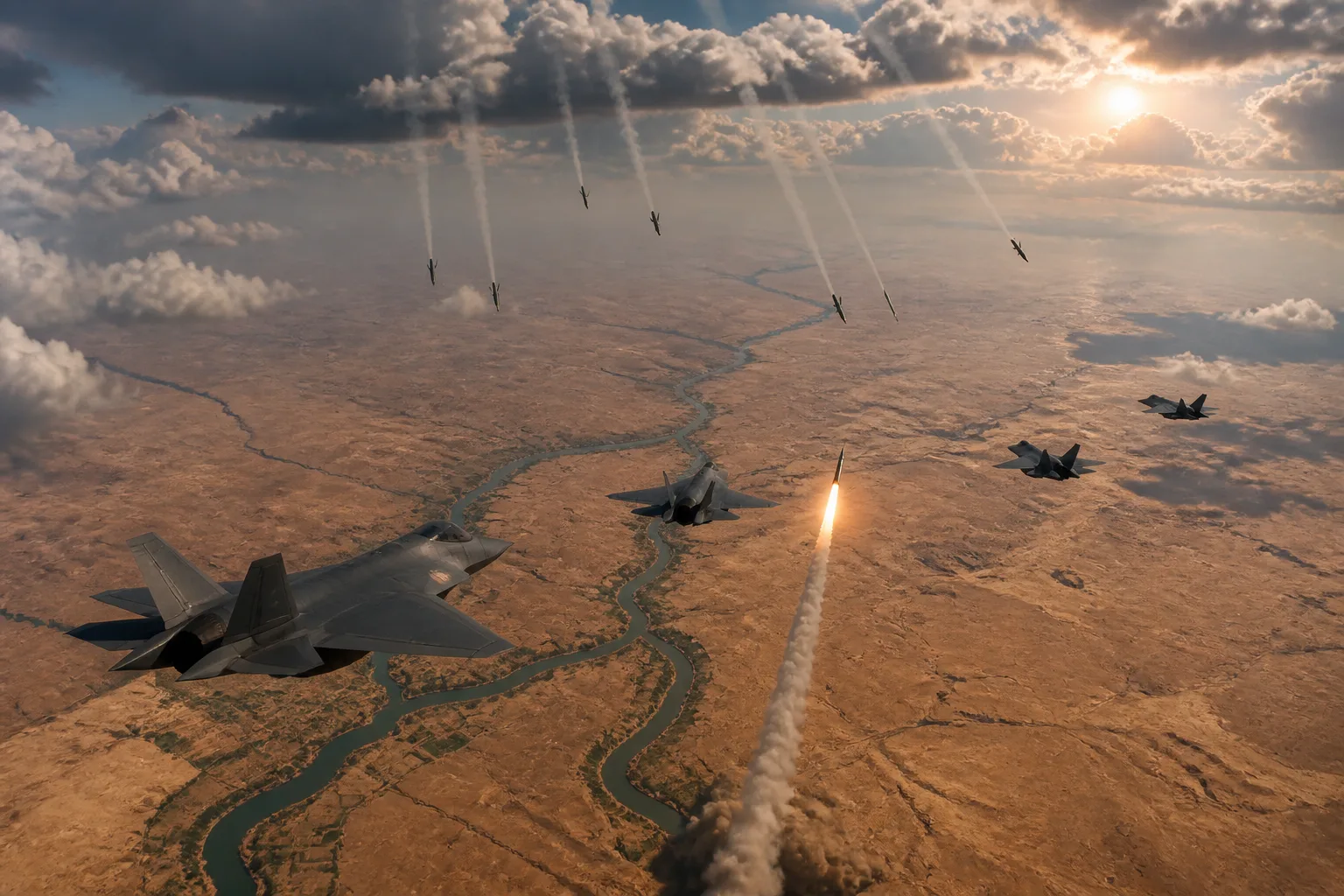
On 29 July, Saudi and U.S. fighter jets struck targets belonging to the Popular Mobilization Forces (PMF) in Iraq, an umbrella group of militias that operates under the influence of Iran’s Revolutionary Guard. According to U.S. Central Command (CENTCOM) statements, the strikes killed at least 20 fighters.
The Saudi‑U.S. operation came hours after Iran launched a surprise ballistic‑missile attack on U.S. military bases in Jordan. All missiles were intercepted by U.S. air defenses, but the attack ended a pause in fighting that had lasted several days, signaling a shift in Iranian strategy toward offensive actions.
Meanwhile, in the Red Sea, Yemen’s Iran‑aligned Houthi movement intensified its campaign against Saudi shipping. The Houthis claimed at least four attacks on Saudi‑linked tankers since announcing a maritime blockade of Saudi ports on 20 July. Two Saudi crude tankers, the Encelia and the Layla, were struck on 22 July, according to Houthi statements, and the U.S. military conducted its 12th night of strikes against Iranian targets in the region in response.
Iran also fired on three tankers it said were using an “illegal” route through the Strait of Hormuz, Saudi Arabia’s other major shipping corridor. The Iranian Revolutionary Guard reportedly rejected a proposal from Oman to divide control of the strait and collect voluntary fees.
The escalation was accompanied by a drone attack on a U.S.-owned natural‑gas storage tanker at the Egyptian port of Damietta. The incident prompted President Donald Trump to vow retaliation against Tehran, stating that “it’s our turn to hit them.”
Saudi Arabia has been a target of Iranian missile attacks on its oil facilities since the war began. In response, the kingdom has carried out strikes on Iranian drone and missile‑launch sites in Iran and on Iranian‑backed militias in Iraq, according to reports from the Saudi Ministry of Defense.
The U.S. has faced a growing shortage of air‑defense interceptors amid the conflict. According to the Associated Press, Patriot interceptor stocks have fallen from about 2,330 before the war to 759, and THAAD interceptor inventories have dropped by nearly 40 percent, raising concerns about the U.S. military’s ability to defend forces on the ground.
The broader war has also drawn in other regional actors. The United Nations has condemned Houthi attacks on international shipping, and the U.S. and U.K. have led coalition air and missile strikes against Houthi positions. The conflict has disrupted global oil trade, with the Strait of Hormuz closed to commercial vessels since the start of the war.
The escalation of hostilities has heightened the risk of a wider regional conflict. Analysts note that Iran’s recent attacks on Ukrainian vessels and its supply of drones to Russia could bring the war into a global arena.
The current situation remains fluid. U.S. and Saudi forces continue to target Iranian‑backed militias in Iraq, while the Houthis maintain their blockade of Saudi ports. The U.S. has maintained a naval blockade of Iranian ports, and Iran has intermittently closed the Strait of Hormuz in response to U.S. actions.
The conflict’s trajectory will depend on diplomatic developments and the willingness of the parties to de‑escalate. For now, the war has expanded beyond its initial theater, drawing in new actors and threatening to widen the regional security environment.