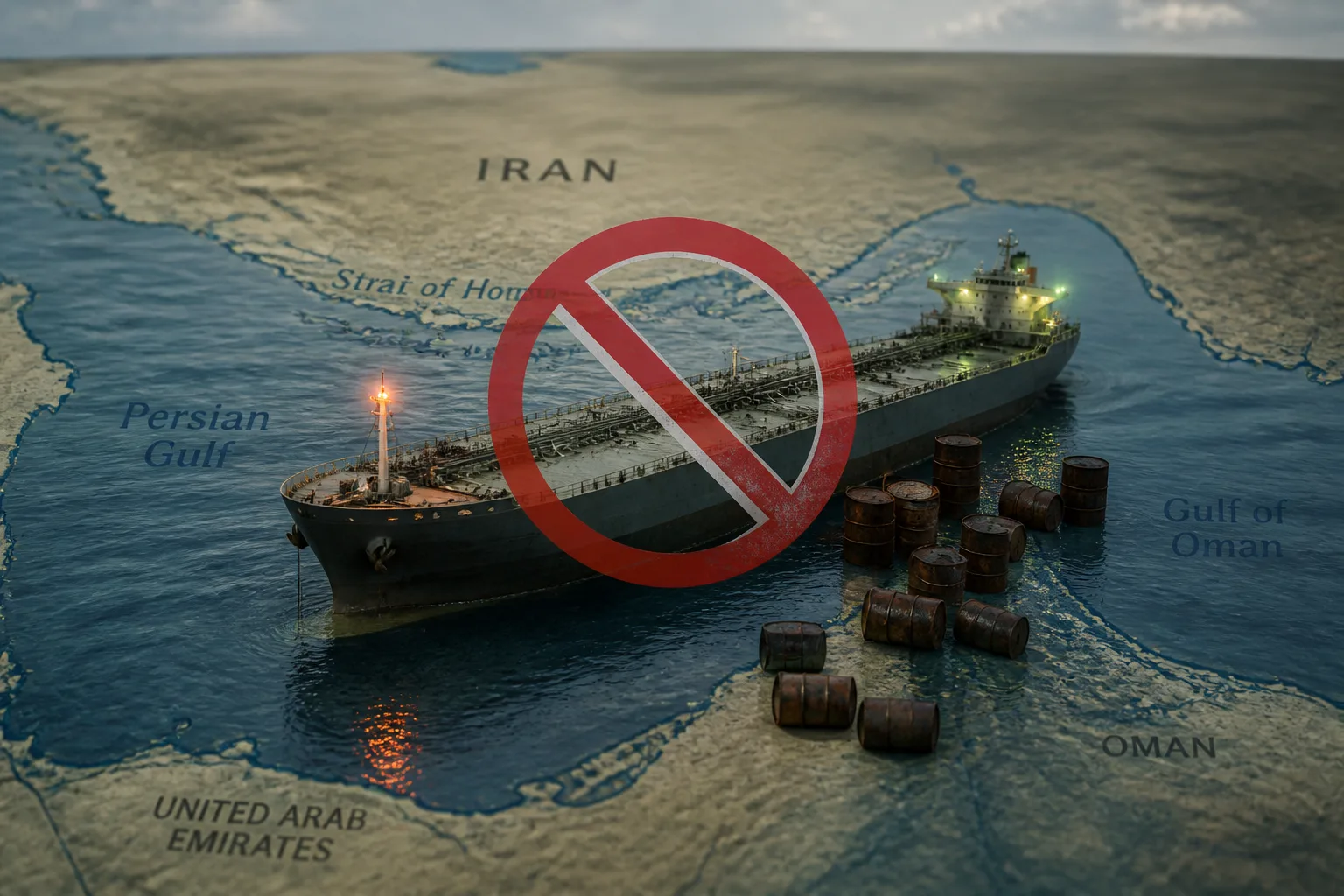
Iran Announces Maritime Exclusion Zone Near Strait of Hormuz as Oil Prices Surge to $97 a Barrel
When the world’s oil pulse quickened on Monday, Iran’s Supreme National Security Council (SNSC) rolled out a bold new move: a maritime exclusion zone just outside the Strait of Hormuz. The announcement came amid a week‑long flare‑up that began when U.S. forces struck three Iranian oil tankers in the Persian Gulf and Gulf of Oman.
The SNSC, Iran’s top decision‑making body on defense, intelligence and foreign policy, said it would formally declare the zone and warn that any vessel entering the area could face sanctions. The declaration was made by Secretary Mohsen Rezaee, who has held the post since August 2026, after Iranian officials threatened a “more intense and more painful” retaliation following the U.S. military action.
The Strait of Hormuz is no ordinary waterway. Roughly 25 % of the world’s seaborne oil and 20 % of liquefied natural gas passes through its narrow channels, making it a critical chokepoint for Europe and Asia. Iran has previously threatened to close the strait, but it has not been shut for an extended period before the current conflict.
Oil markets reacted sharply. Brent crude, the benchmark for light, sweet crude oil, briefly touched $97 per barrel early on Monday – the highest price in nearly seven weeks and an 8 % rise over the previous week. The jump reflects a broader trend of rising oil prices driven by supply concerns and geopolitical risk.
In the United States, gasoline prices climbed as well. The national average for regular gasoline reached $4.14 per gallon as Labor Day weekend approached, a record for any Labor Day holiday. The increase is almost a full dollar higher than the average price in 2025 and is linked to higher crude prices and disruptions in the global supply chain.
The U.S. military’s strikes on Iranian tankers were carried out after Iranian forces reportedly fired missiles at U.S. Navy warships. The U.S. Central Command said it had destroyed three Iranian crude carriers in the Persian Gulf and Gulf of Oman. Iran’s threat of retaliation comes amid a broader context of the 2026 Iran war, which began after the assassination of Iranian Supreme Leader Ali Khamenei in February 2026.
The SNSC’s decision to declare an exclusion zone is part of Iran’s broader strategy to control maritime traffic near the strait. The council’s announcement also signals a willingness to enforce sanctions on vessels that do not obtain Iranian permission to transit the area.
Economic analysts note that the combination of higher oil prices and increased shipping restrictions could push global fuel costs higher. The U.S. gas price record is already a concern for consumers, especially as the Labor Day holiday brings increased travel demand.
Iran’s hardline stance has been consistent. After the U.S. strikes, officials warned that any further U.S. action would be met with “intense and painful” retaliation. The threat underscores the high stakes of the current conflict.
In short, Iran’s announcement of a maritime exclusion zone near the Strait of Hormuz, coupled with surging oil and gasoline prices, highlights the growing impact of the Iran war on global energy markets. The situation remains fluid, with potential further escalations on both sides.
The next steps will likely involve monitoring the implementation of the exclusion zone, assessing the response of shipping companies, and watching for any additional U.S. or Iranian military actions. The global community will be watching closely as the conflict continues to unfold.