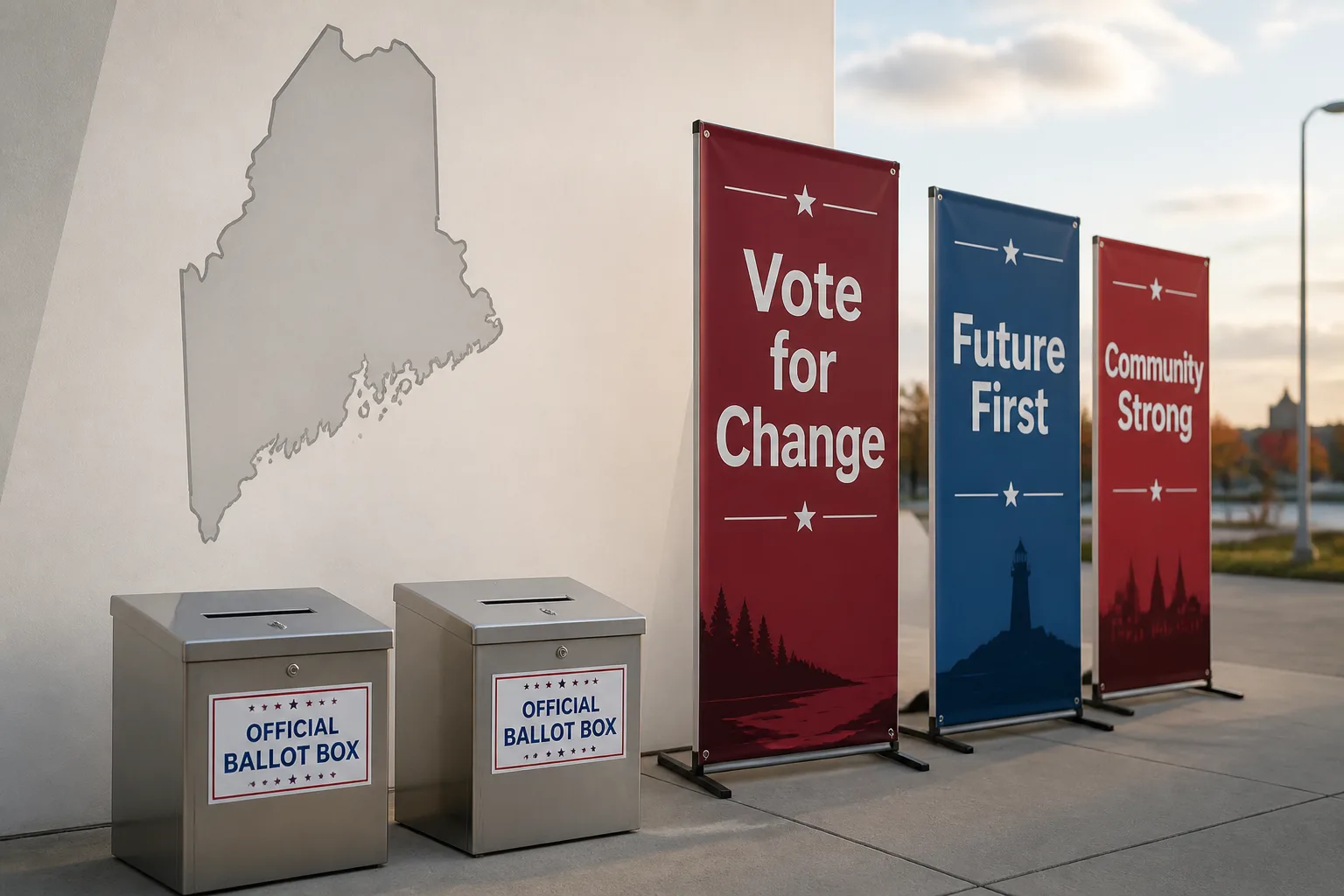
Maine Senate Race: Collins and Jackson Clash in Contrasting Campaign Weekend
On Saturday, September 7, 2026, Maine’s Senate race unfolded like a high‑stakes chess match—one side stepping onto a bustling fairground, the other rallying in a dusty union hall. Incumbent Republican Senator Susan Collins turned the Windsor Fair into a celebrity‑style showcase, while Democratic nominee Troy Jackson launched his weekend from a crowded hall in Jay. The weekend didn’t just highlight two different styles; it underscored how much is at stake in a race that’s already one of the most competitive in the country.
Collins, who has sat in the Senate since 1997 and chaired the Appropriations Committee since 2025, was greeted with a fanfare that could rival any movie premiere. The Windsor Fair, a 10‑day festival that throws livestock shows, carnival rides, and food stalls into the mix, drew crowds who paused to snap selfies with the senator. “It takes time to build up the seniority and the positions on committees to be able to deliver that kind of funding,” Collins told reporters amid the chatter. She reminded voters of the hundreds of millions of dollars she’s secured for Maine—most notably a $2.1 million earmark for a new agricultural center that would create workforce‑development opportunities for local farmers.
Jackson’s weekend started an hour west of Windsor, in the town of Jay, where he faced a packed union hall. A former state Senate president and a progressive Democrat, Jackson spoke of his logging‑industry upbringing and the high cost of living that keeps many Mainer’s wallets tight. He vowed to push back on the Iran war, ICE, and President Donald Trump’s tax cuts. “What I know is that people across the state want to change. And it isn’t me. It isn’t because of Troy Jackson, they want change,” he said to a room that leaned toward his message.
The two candidates’ approaches mirror their different starting points. Collins has cultivated a brand of seniority and constituent service that has earned her a reputation as a bipartisan “moderate” in a state that Trump never carried. She warned that a Jackson victory would mean the loss of the federal funding she’s delivered. “That all would go away if Troy were elected,” she said.
Jackson, meanwhile, is still building statewide name recognition. His weekend itinerary stretched from Kittery in the south to Orono in the north, where the University of Maine sits. He frames the election as a choice between working people and the billionaire class, tying Collins to Trump and the national Republican agenda. The campaign operates on a shortened timeline and faces a barrage of attack ads. Republicans have outspent Democrats by $10 million since the start of August, according to tracking firm AdImpact.
Voter sentiment adds another layer of complexity. Some former Collins supporters—those who had voted for her in past elections—now feel alienated by her vote to confirm Supreme Court Justice Brett Kavanaugh. One woman who approached Collins at the fair admitted she was a Democrat who used to vote for Collins but now hopes she loses reelection after that confirmation.
Jackson’s campaign has also dealt with negative ads attacking his son’s lobbying work and travel reimbursements. Jackson called the claims “lies” and said his son had worked as a park ranger that year. He declined to comment on whether his campaign would respond with ads of its own, noting that he was being outspent on the airwaves.
The weekend also highlighted the broader context of the race. Maine’s Senate seat is one of the most competitive in the 2026 election cycle. Collins is the only Republican senator from a state that Trump never won in any of his three presidential campaigns, and Democrats have not won a Senate election in Maine since 1988. The 2026 election will use ranked‑choice voting, adding another layer of complexity to the contest.
As the campaign season moves forward, both candidates will need to continue engaging voters across Maine’s diverse regions. Collins will likely lean on her record of federal funding and bipartisan cooperation, while Jackson will push his progressive platform and focus on labor issues. The outcome of the race will have implications not only for Maine but for the balance of power in the U.S. Senate.
The next steps for both campaigns are clear: Collins will continue to highlight her seniority and the benefits she has delivered, while Jackson will intensify his outreach to voters who feel underserved by the current administration and the incumbent’s ties to national Republican politics. The race remains a tight contest, with both sides preparing for the final push leading up to the November 3, 2026 election.