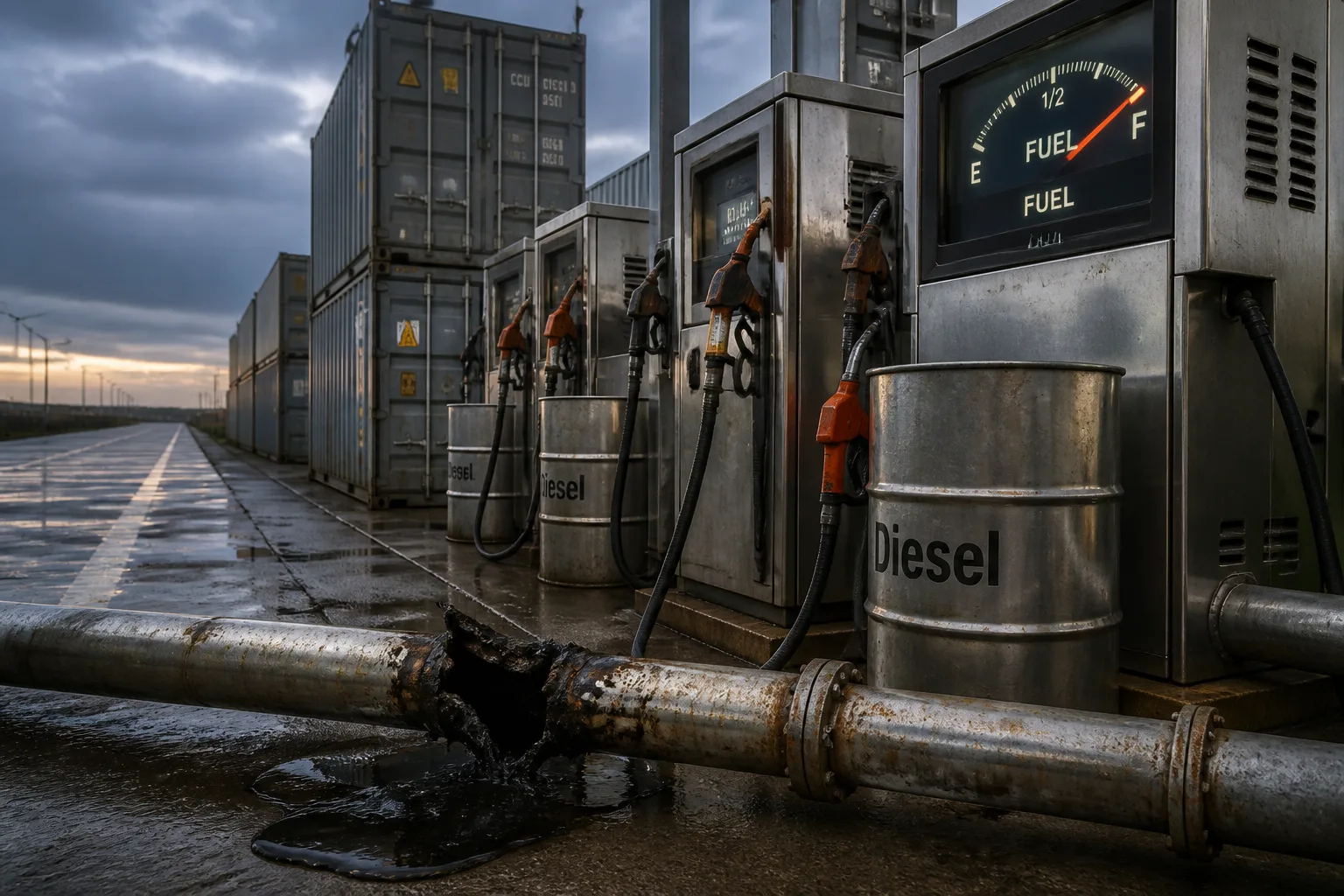
Labor Day Gas Prices Hit Record Highs as Global Supply Disruptions Keep Pumps Expensive
On Monday, September 7, the national average for a gallon of regular unleaded gas shot up to $4.15 – the steepest climb ever seen on a Labor Day holiday. The figure, released by the American Automobile Association (AAA), eclipses the previous record of $3.82 that stood since September 3, 2012. AAA also notes the price is roughly 30 % higher than the $3.20 average paid by drivers just a year earlier.
The spike is a surprise, because the U.S. summer driving season is winding down, a period that normally brings a dip in demand and a drop in pump prices. “While gasoline demand typically declines after the summer driving season — often leading to lower prices — this year’s elevated crude oil costs have offset that seasonal trend,” said Brittany Moye, AAA spokesperson.
Diesel isn’t spared either. AAA reports the fuel hit a record $5.90 per gallon on Monday, up from $3.71 a year ago. The high diesel cost adds another layer of strain for travelers heading out for the long holiday weekend.
What’s driving these numbers? Global supply constraints. West Texas Intermediate (WTI) crude oil futures were trading near $92 per barrel at 9:30 a.m. ET on Monday, compared with about $67 before the Iran conflict began on February 28. Brent crude futures were around $97 per barrel, up from roughly $72 pre‑war. The price jump reflects disruptions to tanker traffic through the Strait of Hormuz, where the Iran war has limited movement and reduced the daily flow of crude oil and petroleum liquids from the 21.6 million barrels per day average in late 2025 to 4.9 million barrels in the second quarter of 2026, according to the U.S. Energy Information Administration.
Refinery outages in both the Middle East and Russia, caused by the Iran war and the Russia‑Ukraine war, have tightened supply even further. “We still have a supply disruption in the Middle East at the same time refineries in both the Middle East and Russia have been damaged due to conflicts in those regions, which reduces supply that reaches the market,” said Andy Lipow, president of Lipow Oil Associates in Houston.
U.S. gasoline inventories were 6 % below average for the week ending August 28, per the EIA, adding pressure to retail prices.
A potential silver lining is the transition to winter‑grade gasoline. Beginning September 15, the industry normally shifts from summer‑blend to winter‑blend fuel, which is cheaper to produce. The Environmental Protection Agency announced on August 20 that winter‑blend gas could be sold starting September 1, effectively ending the summer‑blend requirements early. Lipow noted that this change could provide “some measure of relief at the pump.”
However, the overall trajectory of gasoline prices remains tied to global oil supply. Lipow added that the market is awaiting a possible agreement between the U.S. and Iran to reopen the Strait of Hormuz for all traffic.
For drivers, the record‑high prices mean that a full tank on Labor Day weekend will cost more than any other time of year. The rise also translates into higher travel costs for families and businesses that rely on road transport during the busy holiday period.
The current situation underscores how geopolitical events can ripple through the fuel market, affecting everyday expenses for consumers across the country.