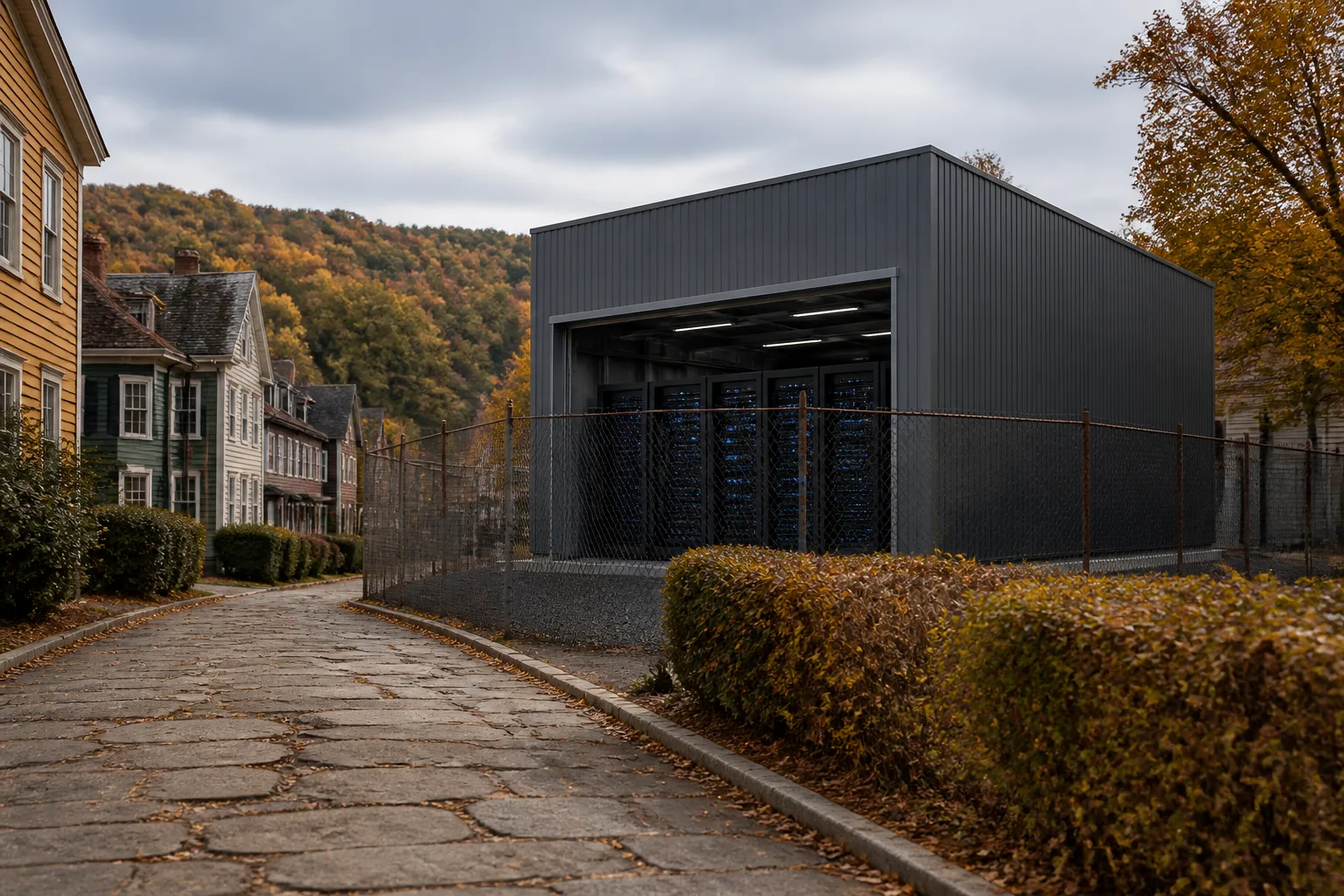
Royalton, Vermont Bans AI and Crypto Data Centers for Five Years Amid State Debate
Royalton, Vermont, a tight‑knit Windsor County town of roughly 2,750 residents, put a pause button on the next wave of high‑tech infrastructure. At Tuesday’s annual town meeting, the community voted to impose a five‑year moratorium on the construction of artificial‑intelligence (AI) and cryptocurrency data centers—meaning no new facilities of this kind can be built in Royalton until 2031.
Town leaders framed the ban as a proactive move. "We’re signaling to developers that the community is ready to discuss these decisions," said Jane Philbrick, a board member of the Royalton Memorial Library. "Waiting for state‑level decisions would be worth the effort," she added, noting that residents are growing comfortable with the idea that technology choices should involve the people who live with them.
A public forum will follow the vote, slated for Wednesday at 7 p.m. in the West Rutland Library. The meeting offers residents a chance to ask questions and share their perspectives on the moratorium and broader data‑center concerns.
The local action comes on the heels of Governor Phil Scott’s veto of a state bill last month that would have introduced new regulations for AI data centers, addressing their financial and environmental impacts. In his veto statement, Scott said Vermont already has sufficient protections under Act 250, the state’s land‑use and development law that requires environmental and community impact reviews for large projects.
Vermont currently hosts three data‑center facilities—in South Burlington, Williston, and Stowe—and a total of eight verified sites across the state. The Act 250 process has historically limited the growth of large data‑center projects in rural and environmentally sensitive areas. Royalton’s moratorium adds a local layer of caution while staying consistent with the state’s existing framework.
The ban does not outlaw data centers outright; it simply delays any new AI or crypto‑related facilities for five years. Officials say the measure gives the community time to evaluate potential environmental, economic, and social effects, and it sends a clear message to developers that Vermont towns are attentive to the rapid expansion of AI infrastructure.
At present, there are no announced plans to build a new data center in Vermont, but state lawmakers are still considering legislation that would regulate the industry. The Royalton vote reflects growing local interest in shaping how emerging technologies intersect with community values and environmental stewardship.
The town’s moratorium will expire in 2031, at which point Royalton residents can reassess the issue in light of new information and state‑level policies. Until then, the town remains one of several Vermont communities taking a cautious stance on the next wave of data‑center development.