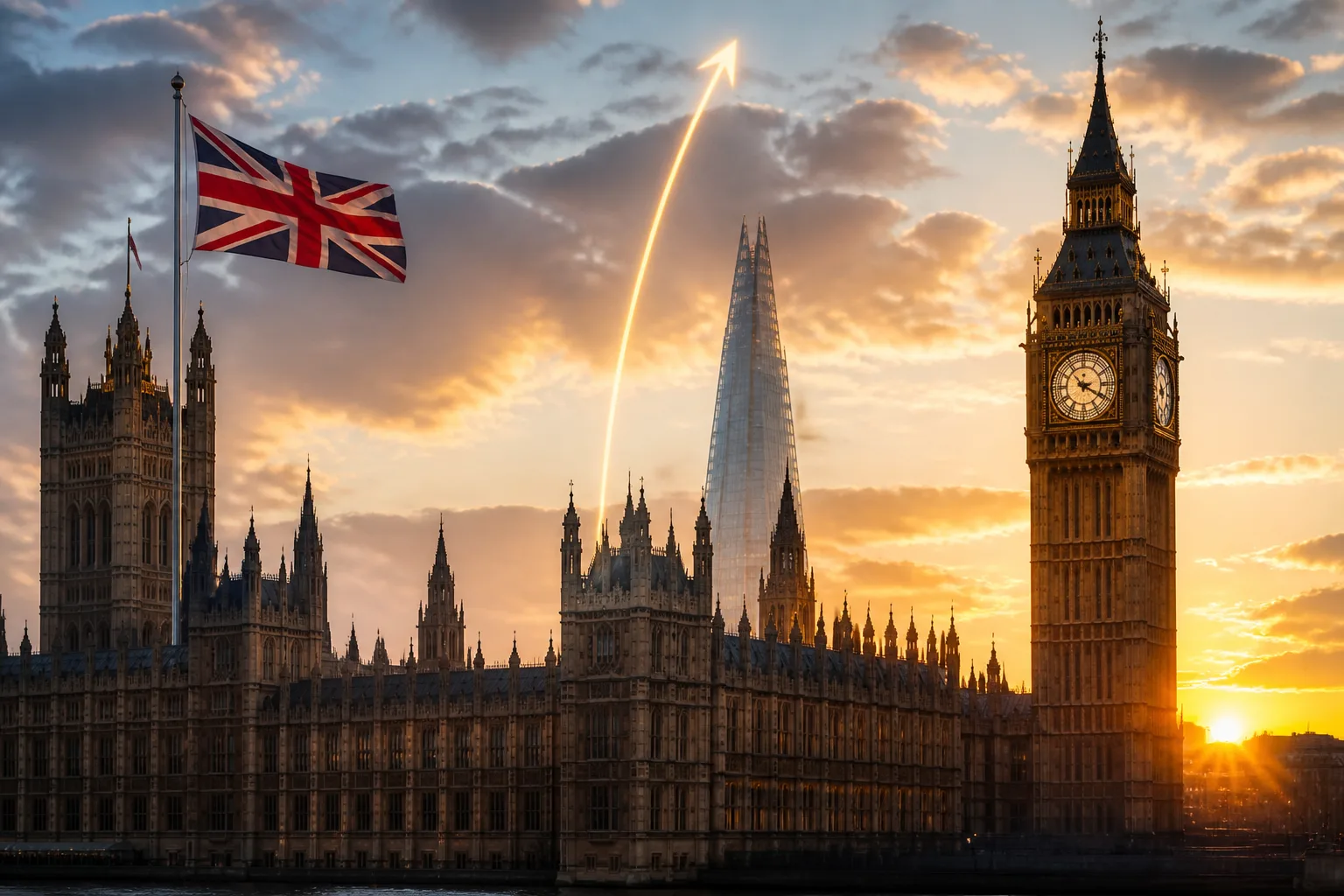
Andy Burnham Sworn in as UK Prime Minister, Promises Radical Change
On Monday, 20 July 2026, Andy Burnham—56, former health secretary, culture secretary, chief secretary to the treasury, and long‑time Mayor of Greater Manchester—was sworn in as the United Kingdom’s new prime minister. The appointment came after Keir Starmer stepped down, following a string of election defeats, policy reversals and scandals that had eroded public confidence in the Labour Party.
Burnham’s climb to the top of the party was a steady, almost patient, journey. He served as MP for Leigh from 2001 to 2017, then as Mayor of Greater Manchester from 2017 until 2026. In June he re‑entered Parliament by winning the Makerfield by‑election, a move that forced him to resign as mayor and trigger a mayoral by‑election. When Starmer announced his resignation on 22 June, the Labour Party’s National Executive Committee confirmed that Burnham had the support of over 90 % of Labour MPs. He was elected unopposed as party leader and, by convention, became prime minister.
The handover ceremony took place at Buckingham Palace. After Starmer delivered a farewell speech outside No. 10 Downing Street, he offered his resignation to King Charles III. The king then asked Burnham to form a government—a ritual often called “kissing hands,” even though the hand‑kiss itself is no longer performed. Burnham then drove back to Downing Street, where he gave his first speech as prime minister.
In that address, Burnham eschewed the traditional lectern and spoke freely from the street. He called his agenda a “circuit breaker for Britain” and vowed the government would undertake the “biggest changes of the past 40 years.” He announced that later in the year he would unveil a 10‑year plan for the country. He also promised immediate measures to ease the cost‑of‑living crisis, including financial help for households, and declared that his first instruction would be to end rough sleeping.
Burnham said, “I know people at home are fed up with politics. I hear you and I want to be honest with you — we have not been good enough and we need to be better.” He added that he would “pass power from the authorities to ordinary people” and that he would “build a new politics” to reverse the “wrong turns” that began in the 1980s when political power was centralised and economic power was privatised.
The new prime minister faces a daunting set of challenges. The UK is still grappling with a high cost‑of‑living crisis, a stretched National Health Service, contentious immigration policy and a complex relationship with Europe. Reform UK, a hard‑right party led by Nigel Farage, tops the polls and is a potential threat to Labour’s majority.
On the international stage, Burnham has already signalled his priorities. He said he would call President Donald Trump and Ukrainian President Volodymyr Zelenskyy. Trump initially dismissed Burnham as “the mayor of a town” and “extremely liberal,” but later praised him on Truth Social, suggesting a softer stance on North Sea oil and gas exploration. Zelenskyy, in turn, wished Burnham “every success.”
European leaders have also welcomed the change. Antonio Costa, President of the European Council, said he looked forward to deepening cooperation with the UK. The leaders of Italy’s Giorgia Meloni and the Netherlands’ Rob Jetten extended congratulations.
Starmer’s tenure had seen some achievements, including economic growth and a reduction in net migration, but his popularity fell sharply after a series of policy reversals. He resigned by offering his resignation to the king on 20 July, the day of Burnham’s swearing‑in.
Burnham’s background as a former health secretary, culture secretary and chief secretary to the treasury, as well as his experience as mayor, gives him a broad perspective on public policy. He is associated with the Labour Party’s “soft left” faction and is often described as a proponent of “Manchesterism.”
The new government will need to assemble a cabinet, a process that has already begun to reveal internal divisions. Burnham’s first speech indicated a willingness to bring ordinary people into the decision‑making process, but how that will translate into policy remains to be seen.
In short, Andy Burnham has taken the reins of the UK government after a period of political turbulence. He has outlined an ambitious agenda that includes a 10‑year plan, immediate relief for the cost‑of‑living crisis, and a pledge to end rough sleeping. The next weeks will determine how he translates these promises into concrete actions and whether he can navigate the country’s domestic challenges and complex international relationships.