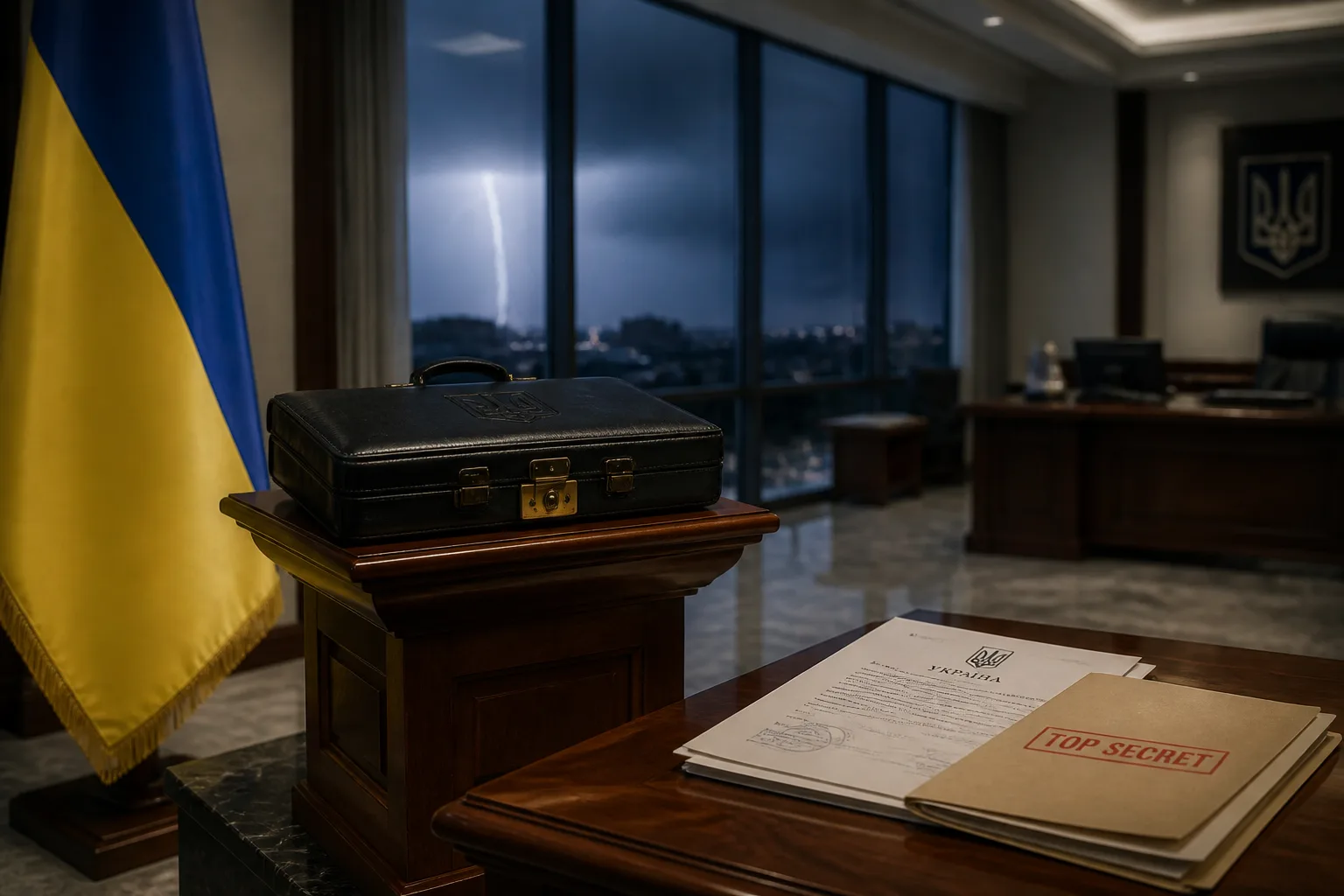
Ukraines political crisis deepens as former defence minister rejects advisory role
On July 15, 2026, a routine cabinet reshuffle exploded into a political storm when President Volodymyr Zelenskyy dismissed Mykhailo Fedorov, Ukraine’s defence minister, and the former minister flat‑out refused an offer to stay on as an adviser.
Fedorov had only been in the post for six months, but his tenure had already made him a household name. A millennial technocrat, he was celebrated for spearheading reforms that cut military corruption and slashed bureaucracy. That popularity made him a thorn in the side of entrenched military interests and a symbol of change for ordinary Ukrainians.
The dismissal followed a wave of protests in Kyiv. Demonstrators accused the new leadership of backtracking on the very reforms that had earned Fedorov his reputation. They also blamed the government for ignoring the armed forces’ concerns at a time when the war with Russia is at its fiercest.
According to Kyivpost and BBC reports, the firing was part of a “wider cabinet reshuffle” announced by Zelenskyy on the same day the prime minister, Yulia Svyrydenko, had resigned after a string of political clashes. Fedorov’s refusal to take an advisory role was described as a “public rebuke” of the president’s decision.
The decision was announced on Fedorov’s Telegram channel, where he wrote that he had “no intention of returning to the government” and that his goal had always been to “win the war.” He also criticized the new leadership for sidelining the needs of the armed forces.
The reaction was swift. Within days, army chief Oleksandr Syrskyi was accused by some of orchestrating the removal, while others blamed Zelenskyy’s administration for creating a climate of instability. The protests that followed were largely peaceful but drew large crowds, signalling growing discontent with the president’s handling of the war effort.
The dismissal has added to an already strained political environment. Zelenskyy has faced criticism for his conduct of the war, his domestic reforms, and his energy policy. Earlier this year, he called Kyiv’s energy situation “catastrophic” and pledged an overhaul of community power systems. The war has also strained Ukraine’s finances, with the Ministry of Defence consuming a large portion of the national budget.
In the context of the ongoing conflict with Russia, the removal of a popular defence minister raises serious questions about the cohesion of Ukraine’s military leadership. The new defence minister, appointed after Fedorov’s departure, will now be under intense scrutiny from both the public and the international community.
The political crisis is part of a broader pattern of instability in Ukraine. Since independence, the country has weathered several crises, from the 2014 Revolution of Dignity to the 2020–2022 constitutional crisis. Zelenskyy’s presidency, which began in 2019, has been marked by attempts to reduce corruption and strengthen democratic institutions.
As the war drags on, the domestic political situation remains fragile. The dismissal of Fedorov and the subsequent protests underscore the challenges Zelenskyy faces in balancing military needs with political stability.
What comes next is unclear. The president has yet to announce a replacement for the defence minister, and it is uncertain whether the protests will lead to further demands for political reform. Ukrainian citizens and international observers alike will be watching closely.
In sum, Mykhailo Fedorov’s removal and his refusal to serve as an adviser have deepened Ukraine’s political crisis. The event highlights the growing tensions between the president’s administration and the military, as well as the broader challenges of governing a country at war.