Amazon Cargo Plane Crash Near Miami Causes Orlando Airport Diversions
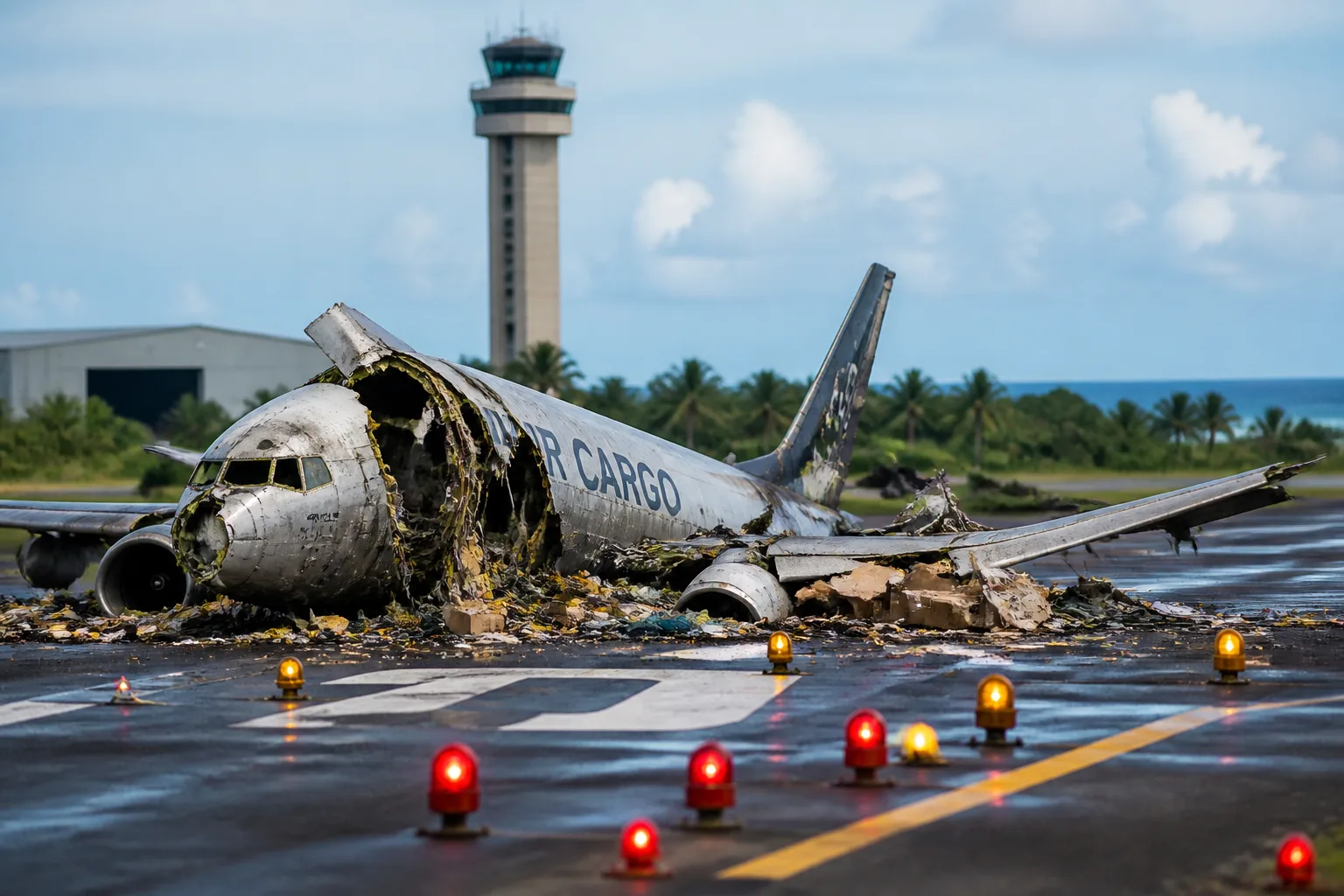
On Sunday, September 6 2026, a cargo aircraft skidded off the threshold of Miami International Airport’s runway 30, sending a Boeing 767‑300F, operated by Amazon Air’s Prime Air Flight 7598, into a dramatic runway overrun. The freighter, bound from Puerto Rico, failed to stop on the 9,400‑foot strip, slid past the end, struck a row of parked cars, and ruptured a fuel tank, igniting a small fire and leaking gasoline into the surrounding grass.
More than 60 firefighters from the Miami‑Dade Fire Rescue team converged on the scene around 2 p.m. local time, battling the blaze and sealing off the spill. Officials confirmed that the crash caused five deaths and five injuries, including both pilots, and that the aircraft’s fuselage tore into the taxiway, forcing a temporary ground stop for all inbound flights while investigators assessed runway and taxiway conditions.
The incident rippled across the region. Orlando International Airport (MCO), Florida’s busiest hub and a major base for Southwest, JetBlue, and United, suddenly received roughly 20 flights diverted from Miami. “The diversions were a direct consequence of the crash and the ensuing ground stop,” an MCO spokesperson told FOX 35. Passengers on outbound flights were urged to check with their airlines for potential delays, as the sudden influx strained an already crowded terminal during the holiday weekend.
Prime Air, the cargo arm of Amazon, has been operating a mix of leased and owned aircraft since 2017. Flight 7598 was a routine run, ferrying Amazon packages and third‑party freight across the Caribbean. The crash marks the second serious incident involving an Amazon‑branded aircraft; the first occurred in February 2019 when an Atlas Air freighter crashed in Texas.
The Federal Aviation Administration (FAA) has opened an investigation into the cause of the overrun. Early statements suggest the aircraft may have landed too late or at an inappropriate speed, but the agency has yet to issue a definitive report. The incident has also raised questions about runway safety at MIA, the busiest international cargo airport in the United States, and whether its design can accommodate large freighters during peak traffic.
Travelers in the area are feeling the squeeze. The ground stop halted inbound flights for several hours, and the diverted traffic to MCO added congestion to an airport already juggling over 1,000 daily flights to more than 170 destinations. Airlines are scrambling to re‑route passengers and minimize delays, but many travelers remain in limbo, awaiting updates from their carriers.
MCO’s role as a diversion hub underscores its importance in Florida’s aviation network. The airport’s capacity to absorb an unexpected 20‑flight influx—many heading to the Caribbean and Latin America—tested its operational resilience and highlighted the challenges of managing sudden traffic surges.
The crash also shines a light on the growing presence of cargo airlines in U.S. airspace. Amazon Air’s operations, which include both Amazon‑owned and wet‑leased aircraft, have expanded rapidly in recent years. The incident is likely to prompt a review of cargo flight procedures, especially those involving large freighters landing at busy airports.
Officials from MIA and MCO are coordinating closely with the FAA and the Department of Transportation to assess runway conditions and ensure that safety protocols are upheld. The FAA has reiterated that runway excursions remain the most common type of landing accident, and that rigorous inspection and maintenance are essential.
In the meantime, passengers affected by the diversions are encouraged to monitor airline communications and check flight status updates. Airlines are offering rebooking options and assistance for those who have been delayed or canceled, aiming to reduce the inconvenience caused by the abrupt rerouting.
The incident serves as a stark reminder of the complex logistics that keep the nation’s cargo and passenger flights moving. While the immediate focus is on safety and passenger relief, the long‑term implications may include changes to runway design, landing procedures, and cargo airline oversight. At present, the investigation is ongoing, and no final conclusions have been released. The FAA and MIA authorities will provide updates as more information becomes available.