Iran, U.S., and Oman Engage Amid Ongoing War: Talks, Assets, and the Strait of Hormuz
On Monday, June 29 2026, the Persian Gulf region saw three pivotal moves that underline how precarious the Iran‑United States standoff remains and why the world is watching.
First, the Iranian Foreign Ministry shot down rumors that its envoys would sit across from U.S. officials in Doha the next day. The denial followed President Donald Trump’s announcement that talks would resume at Tehran’s behest. Both sides had already agreed to pause hostilities and return to the negotiating table after a flurry of strikes that rattled the ceasefire that had held since mid‑June.
Second, President Masoud Pezeshkian declared that Iran would unlock $6 billion in frozen assets kept in Qatar. The money, largely earned from Iranian oil sales, has been locked away by U.S. sanctions. Its release is a key clause of the memorandum of understanding that underpins the ceasefire and is one of the conditions for the U.S.‑Iran talks. The announcement came via state media and was echoed by outlets such as The Hindu and the Economic Times.
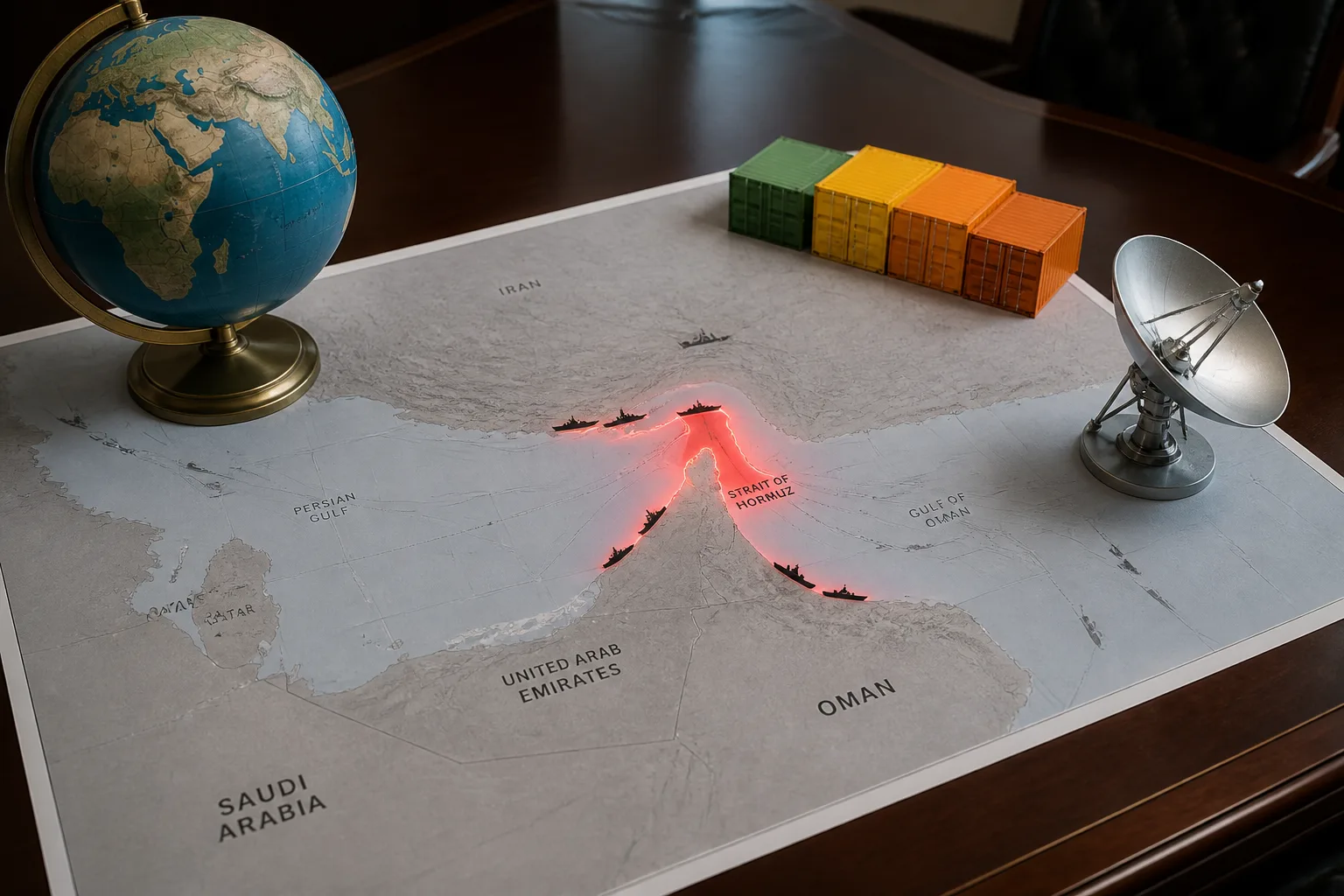
Third, Iranian and Omani officials convened the inaugural session of a joint committee in Muscat to chart how the Strait of Hormuz will operate after the war. The meeting was attended by Iran’s Deputy Foreign Minister for Legal and International Affairs, Kazem Gharibabadi, and his Omani counterpart. The committee’s mandate is to decide the strait’s future—a waterway that is vital for global oil and gas trade.
The Strait of Hormuz is a narrow channel between the Persian Gulf and the Gulf of Oman, the sole maritime link from the Gulf to the open ocean. It carries a huge share of the world’s liquefied natural gas and seaborne oil. During the 2026 Iran war, the strait became a flashpoint when Iran threatened to shut it off and began mining preparations. A clear set of rules is therefore essential to keep energy supplies flowing to Europe and Asia.
The U.S. and Iran’s decision to stand down comes after a week of escalating military activity. Earlier, U.S. aircraft struck Iranian missile and drone storage sites and coastal radar installations in retaliation for Iran’s attack on the Singapore‑flagged cargo ship M/V Ever Lovely. That response was part of a broader campaign that began on February 28, 2026, when Israel and the United States launched a joint strike on Iranian facilities.
Unlocking the $6 billion is a concrete step toward easing economic pressure on Iran, yet it is only one piece of a complex diplomatic puzzle. The U.S. and Iran still haven’t reached a final settlement on nuclear issues, and the ceasefire remains a temporary buffer.
Oman’s role as a mediator—and its willingness to engage with Iran over the strait’s future—highlights its unique position in the Gulf. Unlike many Arab states, Oman has traditionally kept a neutral stance toward Iran and has opposed U.S. and Israeli bombing campaigns in the region.
In short, the week’s developments spotlight the ongoing challenges of the Iran‑U.S. conflict. Diplomatic talks are back on the table, frozen assets are set to be released, but the management of the Strait of Hormuz remains a critical issue that will shape global energy markets and regional stability.
The next chapter will see detailed negotiations in Doha and further meetings between Iranian and Omani officials to iron out operational protocols for the strait. The international community will keep a close eye on these moves as they define the post‑war landscape of the Persian Gulf.