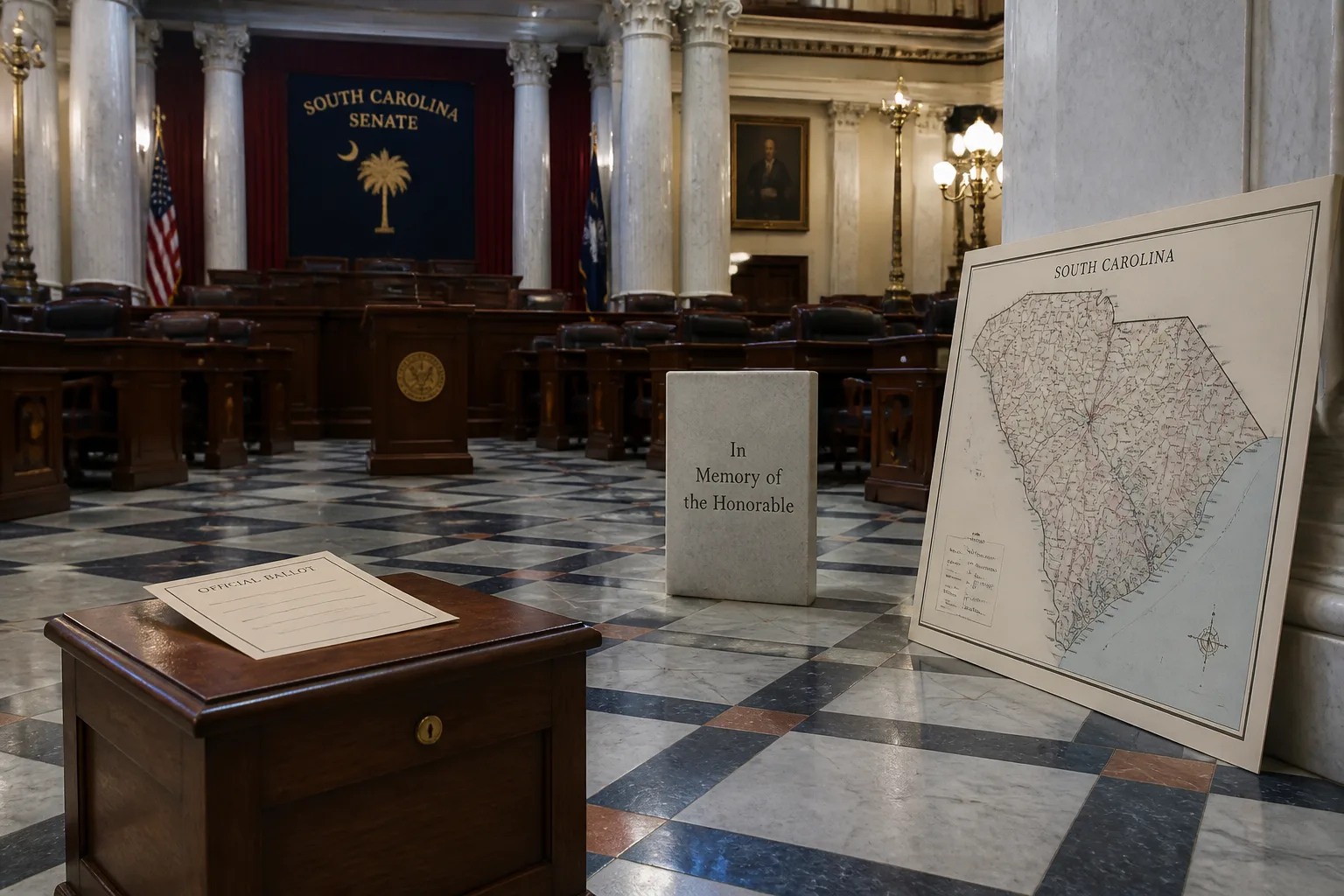
South Carolina Holds Republican Primary to Replace Late Senator Lindsey Graham
When South Carolina voters head to the polls on Tuesday, August 11, they’ll decide who carries the torch left by a long‑serving senator. The state’s special Republican primary will choose the nominee to fill the U.S. Senate seat vacated by the death of Lindsey Graham, a four‑term Republican who had secured the party’s endorsement for a fifth term just weeks before he passed away.
Graham’s passing on July 11, after a brief illness, sent shockwaves through Charleston and across the state. Two days later, Governor Henry McMaster named the senator’s sister, Darline Graham, to occupy the seat until a special election could be held. Darline, a former school administrator, is the first woman to represent South Carolina in the Senate and the first sibling of a deceased senator ever appointed to a vacancy.
The primary will determine who will go on to face Democratic nominee Annie Andrews in the November 3 general election. The Cook Political Report rates the seat as solidly Republican, and Democrats have not won a statewide office in the state since 1998. If no candidate secures a majority, the top two will advance to a runoff on August 25.
Darline Graham has positioned herself as a political outsider who will focus on domestic issues and affordability. In an early‑August debate she declared, “I’m not a politician. I’m not a millionaire. I understand the average struggles of the American family.” She also pledged to support President Trump’s agenda and to eliminate the Senate filibuster, a policy her brother had defended.
The field is crowded. Republican contenders include state representatives Ralph Norman and Russell Fry, former governor Mark Sanford, and businessman Mark Lynch, who challenged Graham in June and captured roughly 30 % of the vote. Norman and Fry emphasize their support for Trump even as they run against the president’s endorsed candidate.
John McGrath, chair of the Berkeley County Republican Party, voiced unease about the appointment. Speaking to ABC News in early August, he said, “Because at the end of the day, ultimately the people who are going to decide who the nominee is are the people of South Carolina, not D.C., not the consultants that run these big‑money political action committees, organizations.”
Political science professor Chase Meyer of the University of South Carolina noted that Trump’s endorsement could be decisive. “Without that endorsement, it would be hard to tell how well she would do at all in this race,” he told ABC News.
The Democratic side is represented by pediatrician Annie Andrews, who won the June primary and previously ran for the state’s 1st congressional district in 2022.
The special primary sits amid a broader election cycle. South Carolina will also hold contests for governor, other statewide offices, and all seven U.S. House seats on the same November ballot.
Campaign activity has been rapid‑fire. Candidates have barnstormed diners, churches, and community centers in the weeks between Graham’s death and the primary, a testament to the urgency of the race. The outcome will test the influence of President Trump and the strength of the Republican base in a state that has leaned heavily Republican for decades.
Darline Graham will remain the senator until January 3, 2027, when the winner of the November election will take office for a full six‑year term. The primary will decide whether the Republican nominee will continue Lindsey Graham’s legacy or chart a new course for the Senate seat that has been a Republican stronghold for more than two decades.