Colombia Hit by 7.4-Magnitude Earthquake, Over 100 Dead and Widespread Damage
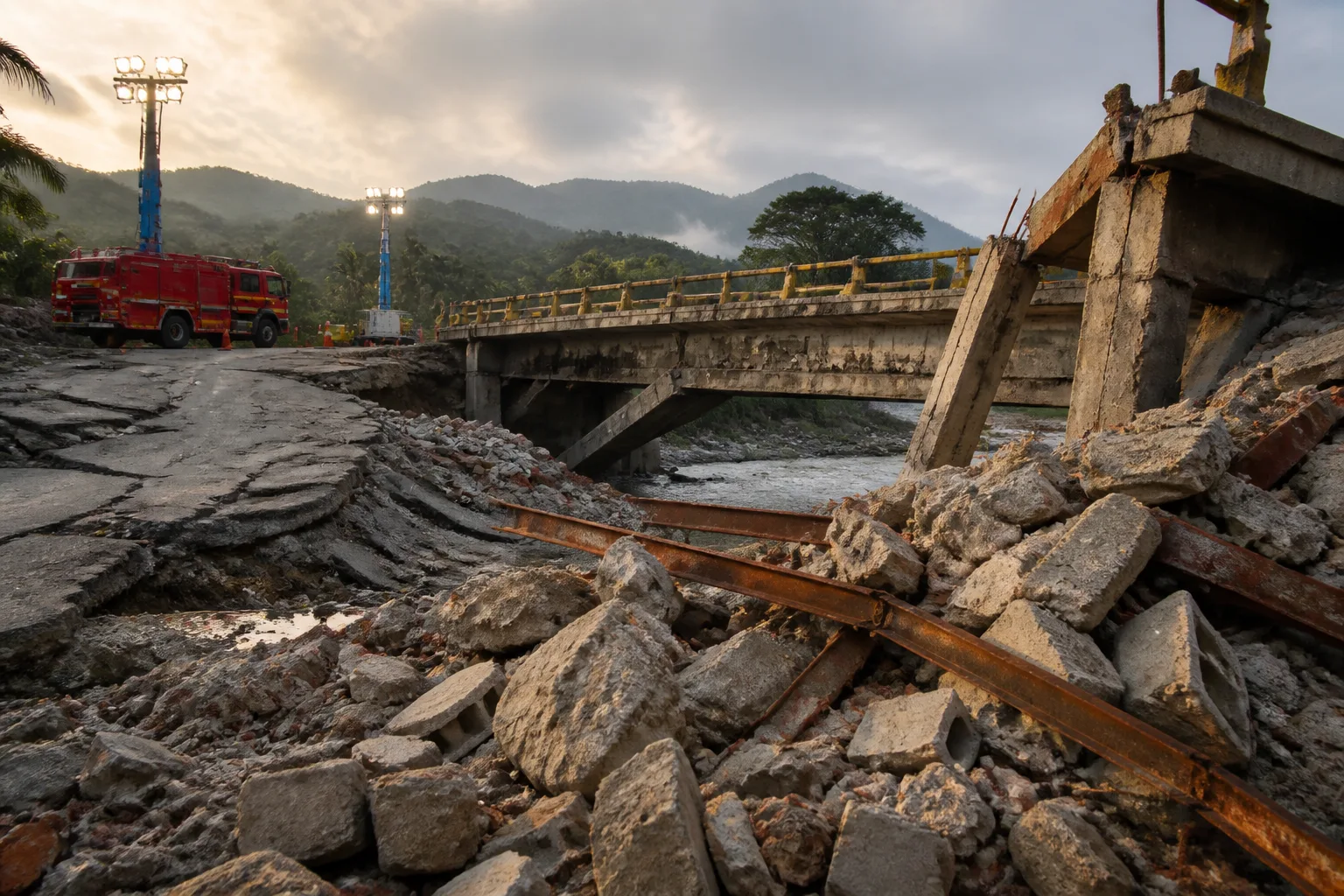
On the morning of August 10, 2026, a 7.4‑magnitude quake ripped through western Colombia, turning quiet villages into rubble and sending tremors that rattled the nation’s capital.
At 7:34 a.m. local time (8:34 a.m. Miami time), the United States Geological Survey recorded the epicenter near the small village of San José del Palmar in the Chocó department, roughly 240 km (150 mi) west of Bogotá. The shock, 107 km beneath the surface, was powerful enough to shatter buildings, ignite fires, and trigger landslides across several departments.
Initial counts show 111 people dead, with dozens more wounded and hundreds of homes collapsed. The hardest hit is Risaralda, where officials confirmed dozens of fatalities. Valle del Cauca, Antioquia, and Chocó also reported significant casualties and widespread damage.
In Cali, Colombia’s third‑largest city, Mayor Alejandro Eder sounded the alarm: “At least 30 buildings have crumbled, trapping residents under rubble.” He urged citizens to inspect for structural damage and to evacuate if large cracks appeared. The governor of Valle del Cauca, Dilian Francisca Toro, added that patients were trapped beneath a partially fallen hospital, and several health facilities had been closed or evacuated due to instability.
President Abelardo De la Espriella, who took office just days earlier, declared a state of national disaster. The move allows the government to marshal extra resources for the most affected regions and prioritizes rescue operations for those still trapped.
Other leaders rallied to the cause. Mexican President Claudia Sheinbaum offered her government’s assistance, while regional officials pledged support for search and rescue.
The quake also rattled the skies. Colombia’s Civil Aviation Authority announced that airports in six cities—Pereira, Manizales, Quibdó, Armenia, Cartago, and Buenaventura—had suspended flights, disrupting travel and commerce.
Even Bogotá felt the tremor. Mayor Carlos Galán posted on X that there were no reports of injuries or major structural damage, only some cracks in buildings. He noted that many residents had moved to the streets as a precaution.
According to the USGS Prompt Assessment of Global Earthquakes for Response (PAGER) system, more than 2 million people experienced very strong shaking. The system also warned that the death toll could rise, estimating a roughly one‑in‑three chance that fatalities might top 1,000.
The shockwave came a few weeks after two large earthquakes struck neighboring Venezuela in late June, killing at least 6,300 people and displacing nearly 18,000 residents. While the Venezuelan events were not directly linked to Colombia’s quake, the tremor was felt in Colombian cities such as Zarzal, Pereira, and Armenia.
A 7.4‑magnitude quake is among the strongest Colombia has seen in recent years. The country sits on the Pacific Ring of Fire, where the Nazca Plate slides beneath the South American Plate, creating a volatile subduction zone. This geography makes Colombia especially vulnerable to powerful earthquakes, underscoring the need for continued investment in building resilience and emergency preparedness.
Today, rescue teams are combing through rubble, searching for survivors, and clearing debris. The government has activated emergency services and is coordinating with international partners to provide additional aid. As more information comes in, the full extent of the damage and the final death toll are expected to rise.
The quake’s impact on infrastructure, the economy, and the lives of thousands of Colombians highlights the ongoing vulnerability of the nation to seismic hazards. The national disaster declaration and international support signal a coordinated effort to address the immediate crisis and to begin rebuilding in the affected regions.