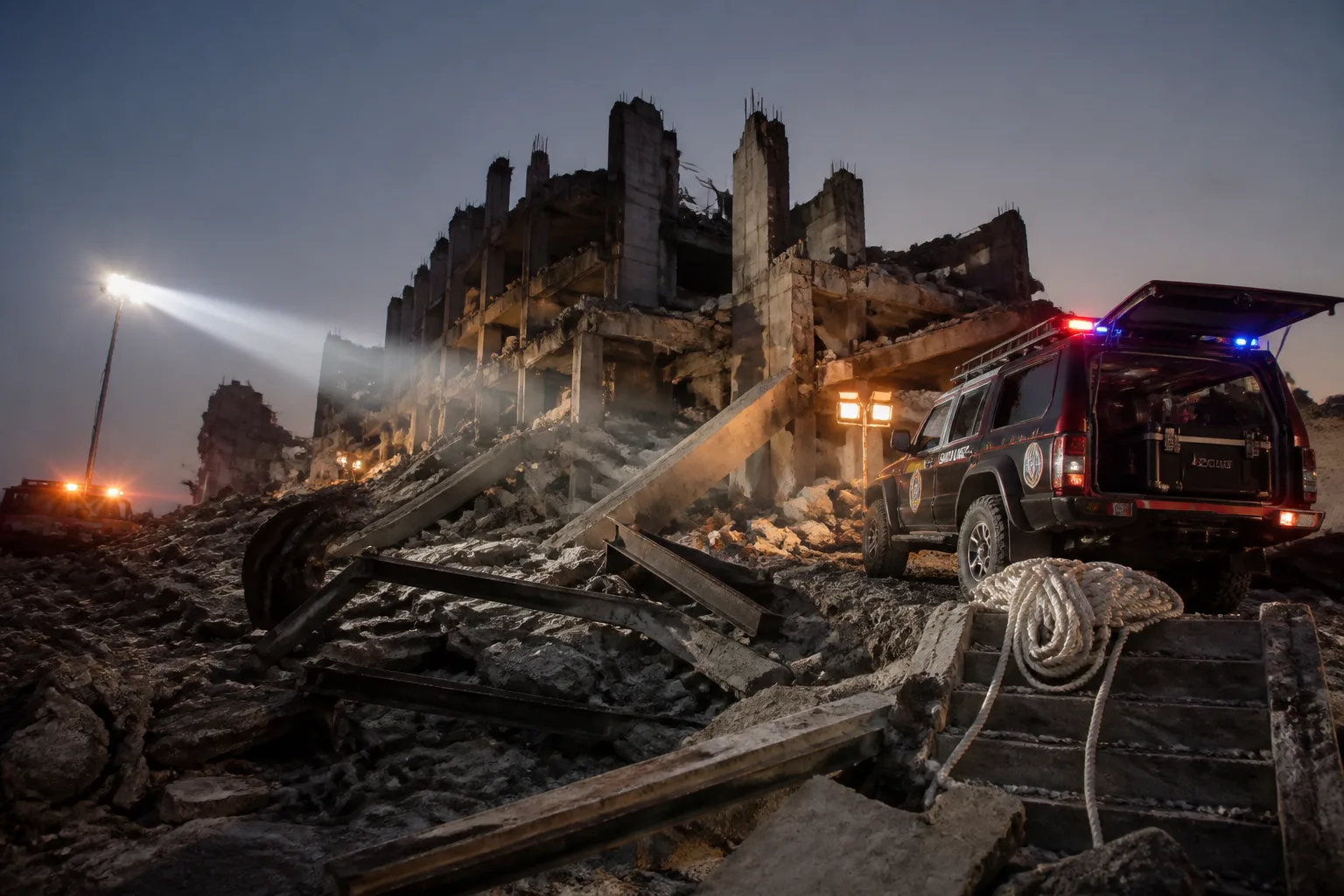
Venezuela Earthquake Aftermath: Death Toll Surges Past 1,700 as Rescue Efforts Continue
When the night of June 24, 2026, turned into a seismic nightmare, Venezuela was struck by two twin earthquakes that would become the country’s most powerful since the 1900 San Narciso event. At 18:04 VET a 7.2‑magnitude foreshock rattled the region, followed just 39 seconds later by a 7.5‑magnitude mainshock. Both tremors originated in San Felipe, Yaracuy, sending shockwaves through La Guaira and the capital, Caracas.
The impact was immediate and devastating. According to Wikipedia’s entry on the 2026 Venezuela earthquakes, the death toll has climbed to more than 1,700, with over 5,000 injured and a staggering 46,600 missing. Those figures eclipse earlier reports—920 deaths on June 26 and 1,430 on June 28—highlighting how quickly the confirmed casualty count has surged. Rescue crews, working round the clock in La Guaira and Caracas, have been sifting through rubble in a desperate bid to find survivors. In a glimmer of hope amid the devastation, rescuers pulled an infant and a woman who had been trapped for more than three days, while three young siblings emerged dust‑covered from a collapsed building—an event that was broadcast on state television.
The disaster has laid bare the fragility of Venezuela’s already strained healthcare system, which is now overwhelmed by the influx of injured patients. In response, the government has appealed for a surge of foreign aid and additional responders. International relief is already arriving: UNICEF has shipped 20 metric tons of medical supplies, water, and sanitation equipment, and the United States is coordinating assistance through its State Department. Neighboring countries have pledged support, but logistical hurdles—power outages, disrupted transportation, and damaged communication infrastructure—continue to slow delivery of essential services.
Venezuela’s broader crisis—characterized by hyperinflation, chronic shortages of basic goods, and a deteriorating public health system—has made its population especially vulnerable to natural disasters. The memory of the 1999 Vargas tragedy, which killed tens of thousands, and the ongoing 2023‑24 Guyana–Venezuela territorial dispute, underscore the nation’s precarious state. As rescue operations press on, officials are also charting a long‑term recovery path. The government has announced plans to strengthen building codes and improve emergency preparedness, but the sheer scale of the damage means rebuilding will take years. Humanitarian agencies, including the UN, are monitoring the situation closely and urging sustained international support.
In short, the twin earthquakes that struck Venezuela on June 24 have pushed the death toll past 1,700, left thousands injured and tens of thousands missing, and set the stage for a protracted recovery that will test the resilience of a country already battling profound socioeconomic challenges.